
Next-Generation Motion Capture Hardware & Pipelines
Explore production-tested wearable inertial sensors, optical markerless systems, and facial tracking rigs engineered for seamless studio deployment.
-
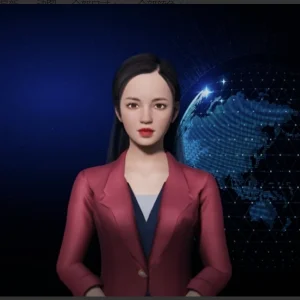
Virtual Host Technology & VR Media Integration
Explore Solution -

Virtual Live Education & Interactive Learning System
Explore Solution -
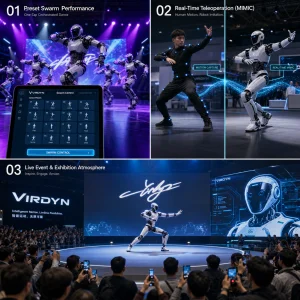
Humanoid Robot Teleoperation & Live Performance
Explore Solution -
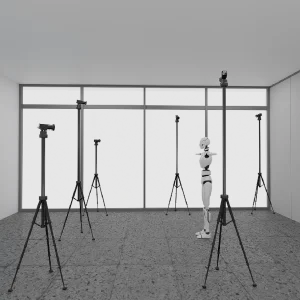
YanDong Markerless Real-Time Optical Capture
Explore Solution -
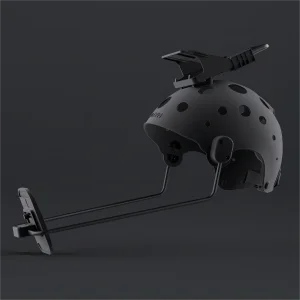
VDFace Pro Real-Time Facial Capture Helmet
Explore Solution -

Live Engineering Demo: VDSuit Full & mHand Pro
Schedule Demo -
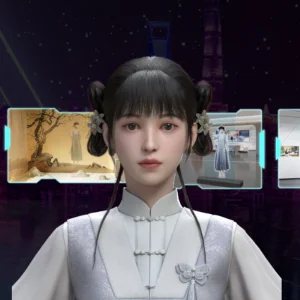
Digital Human Brand Activation Architecture
Explore Solution -
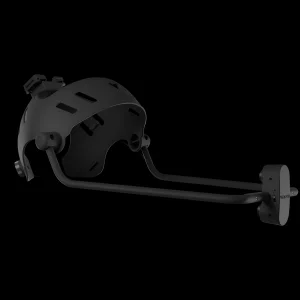
AH Dual-Camera 1080p RGB Facial Rig
Explore Solution
The Indie Developer Motion Capture Dilemma & Architectural Paradigm
Overcoming the trilemma of budget constraints, production turnaround, and sub-millimeter cinematic fidelity in contemporary digital character production.
Architectural Overview: Transitioning from Optical Stages to Wearable Sensor Fusion
For independent game studios, boutique animation houses, and interactive media creators, character animation has historically constituted one of the largest single cost centers in game production. Traditional keyframing requires between 12 to 25 labor hours per minute of polished gameplay animation, including blend trees, combat sets, and cinematic dialogue. While AAA institutions mitigate this bottlenecks via multi-million-dollar retro-reflective optical camera stages (Vicon, Qualisys), the substantial capital expenditure, spatial requirements (minimum 80–150 m² dedicated stages), and high operational staffing requirements create an insurmountable barrier to entry for indie teams.
Designing a motion capture system specifically for the indie developer ecosystem demands a complete rethinking of technical constraints. By shifting the computational burden from external multi-camera triangulation to wearable high-frequency 9-axis Inertial Measurement Units (IMUs) coupled with edge-computed sensor fusion algorithms, indie developers can transform any standard office space, living room, or outdoor setting into a millimetric performance capture stage. In this comprehensive solution framework, we detail the full integration pipeline—spanning MEMS sensor array calibration, biomechanical kinematics, real-time wireless transmission, and low-latency retargeting into Unreal Engine 5 and Unity 6.
Zero-Occlusion Capture
Unlike optical camera grids where prop interactions, sprawling floor rolls, and crouching occlude tracking markers, inertial capture arrays maintain 100% kinematic continuity regardless of physical line-of-sight.
- Full range of prone, crouching, and acrobatics
- No lost data when handling complex props
- Ideal for intense melee and martial arts takes
Immediate Deployment Velocity
Traditional optical stages require lengthy camera calibration, wand-waving, and subject marker tagging. Virdyn inertial systems enable a complete solo-developer setup within 5 minutes.
- Single-click T-pose / A-pose calibration
- No optical reflection or ambient lighting tuning
- Rapid rehearsal and direct in-engine review
Synchronized Tri-Modal Capture
Modern storytelling demands expressive bodily kinetics, finger dexterity, and micro-facial movements simultaneously captured in one synchronized data stream.
- Unified skeletal timecodes across suit, glove, and face
- Seamless Live Link streaming directly to MetaHuman
- Drastically reduced post-production cleanup
The Chinese Factory Advantage: Democratizing Studio-Grade Mocap Hardware
How Guangzhou & Shenzhen precision manufacturing clusters empower indie developers with premium hardware at a fraction of legacy Western pricing.
Supply Chain Synergy, Precision SMT & In-House Sensor Fusion Firmware
The historical barrier preventing indie developers from adopting full-body motion capture was not the theoretical mathematics of inverse kinematics, but the hardware supply chain bottlenecks. Western manufacturers often outsource hardware assembly across multiple overseas subcontractors, incurring excessive tier-1 markup, logistical overhead, and prolonged R&D turnaround cycles. Virdyn's operational core in Guangzhou, China, fundamentally transforms this dynamic.
By situating core R&D alongside South China's world-leading precision electronics manufacturing cluster, our production pipeline integrates in-house surface-mount technology (SMT) lines, robotic multi-axis magnetic calibration jigs, custom textile weaving, and proprietary embedded firmware iteration under one unified quality management standard (ISO9001, CE, FCC, RoHS). This concentration of manufacturing capability yields four critical advantages for indie developers worldwide:
Direct Factory Economics
By eliminating multiple tiers of international distributors and regional markups, indie studios receive hardware manufactured with high-grade MEMS components at 60%–70% lower acquisition expenditure than legacy European or North American solutions.
Rapid Firmware Sprints
Co-location of firmware engineers and physical assembly lines allows Virdyn to push sensor fusion updates, magnetometer de-gaussing routines, and drift compensation algorithms continuously based on global user feedback.
Robotic Calibration
Every single IMU node undergoes an automated multi-axis thermal and magnetic calibration cycle inside an isolated electromagnetic chamber, guaranteeing baseline angular error below 0.05 degrees across the entire operational lifespan.
Spare Parts & Modularity
Indie productions cannot afford weeks of downtime. Direct factory warehousing enables rapid replacement dispatch of individual sensor nodes, replacement harnesses, and hub modules anywhere in the world within 72 business hours.
Macro Industry Trends Transforming Motion Capture & Virtual Production
Navigating the convergence of artificial intelligence, embodied robotics training, spatial computing, and real-time game engine pipelines.
AI-Enhanced Kinematic Solving
Machine learning models trained on millions of biomechanical skeletal frames are now co-processed alongside IMU data streams to automatically eliminate foot-sliding, ground penetration, and rotational sensor drift in real time.
Embodied AI & Humanoid Teleoperation
Motion capture hardware has expanded far beyond entertainment. Humanoid robotics developers rely on high-frequency wearable data suits and haptic gloves to capture human demonstration data for reinforcement learning.
Hybrid Inertial-Vision Pipelines
The emerging benchmark combines inertial sensor suits (for occlusion-proof joint angles and high frame-rates) with single/dual monocular vision cameras for absolute room-scale spatial localization without drift.
| Evaluation Parameter | Virdyn Wearable Inertial (VDSuit) | High-End Optical (Multi-Cam) | Consumer AI Markerless (Webcam) |
|---|---|---|---|
| Capital Investment (USD) | $2,000 – $8,000 (Complete Turnkey) | $50,000 – $250,000+ | $200 – $1,000 (Software/Cam) |
| Operating Space Requirement | Zero Dedicated Stage (Works Anywhere) | 80 – 200 m² Calibrated Dark Studio | Standard Room (Clear Line of Sight) |
| Occlusion Vulnerability | Immune (Sensors Strapped to Bone Joints) | High (Lost Markers Require Post-Clean) | Critical (Crossing Limbs Cause Glitches) |
| Sampling Frequency / Frame Rate | Up to 100 Hz – 200 Hz Low Latency | 120 Hz – 480 Hz High Speed | 30 Hz – 60 Hz (Dependent on Compute) |
| Data Export & Engine Plugins | Native UE5, Unity, Maya, Blender, FBX/BVH | Proprietary Suites, FBX/C3D Export | Variable, often requires manual retarget |
| Best Suited Production Target | Indie Games, VTubers, Robotics, Previs | AAA Film VFX, Olympic Biomechanics | Casual Streaming, Rapid Prototyping |
High-ROI Localized Application Scenarios for Indie Studios
Realistic production workflows showing how independent creators deploy Virdyn capture systems across varied digital media projects.
Indie Action RPG Character Rigs
Solo and small-team game developers generate authentic combat move-lists, dodge rolls, sword flourishes, and parkour locomotion sets in hours rather than months.
- Live recording direct to Unreal Engine 5 Control Rig
- Instant blending into blend spaces and state machines
- Eliminates robotic uncanny-valley procedural motion
VTuber Agencies & Virtual Live Streamers
Deliver low-latency, interactive full-body performances for live streaming on YouTube, Twitch, and Bilibili, utilizing OSC and VRChat protocols.
- Plug-and-play synchronization with Warudo and VSeeFace
- Sub-20ms wireless latency ensures real-time audience chatter response
- Full support for finger gestures and facial blendshapes
Micro-Budget Virtual Production & Previs
Indie filmmakers and animation studios use live mocap actors on LED volume stages or green screens to block cinematic shots and preview complex action scenes instantly.
- Concurrent virtual camera tracking and talent capture
- Instant directorial feedback on camera angles and staging
- Clean FBX / BVH export for final offline rendering passes
End-to-End Pipeline: From Raw IMU Telemetry to Real-Time Game Engine Rigs
A step-by-step breakdown of how Virdyn's hardware, software, and protocol layers guarantee zero data bottlenecking in live game engines.
Layer 1: Edge Sensing
Sensors sample at up to 1000Hz internally, resolving raw accelerometer, gyroscopic angular rate, and magnetic heading data with onboard temperature compensation.
Layer 2: Wireless Transit
Low-latency 2.4GHz proprietary RF or 5.8GHz Wi-Fi protocols transmit packetized quaternion rotations to the host workstation receiver with robust channel hopping.
Layer 3: Studio Solving
VDMocap Studio solves the hierarchical human skeleton, executing forward kinematics, floor-contact anchoring, and inverse kinematics (IK) constraint solving.
Layer 4: Engine Streaming
Stream directly into Unreal Engine 5 via Live Link, Unity via TCP/UDP sockets, or export cleanly formatted FBX/BVH files for Maya, MotionBuilder, and Blender.
Global B2B Sourcing: The Motion Capture Evaluation Matrix
Essential due-diligence criteria for technical directors, procurement officers, and indie studio managers evaluating motion capture vendor hardware.
Institutional Procurement Checklist for Global Hardware Imports
Procuring specialized hardware across international borders requires stringent verification of technical stability, software maintenance longevity, regulatory compliance, and after-sales service levels. Indie developers must ensure their investment delivers continuous utility across multi-year production schedules.
Virdyn maintains comprehensive regulatory clearances including CE (Conformité Européenne), FCC (Federal Communications Commission), and RoHS, paired with comprehensive developer SDKs written in C++ and C# for proprietary engine integration.
Magnetic Immunity & Office Calibration
Ensure the vendor’s IMU fusion suite possesses advanced anti-interference logic that ignores structural rebar, metal computer desks, and electrical equipment common in indie studio offices.
Perpetual Software & Engine Updates
Avoid vendors enforcing restrictive recurring monthly seat licenses. Prioritize hardware manufacturers that supply perpetual desktop capture tools and free Live Link plugins updated alongside Unreal Engine and Unity releases.
Direct Engineering Support SLAs
Require guaranteed 24-hour turnaround on technical inquiries. Virdyn’s dedicated engineering team provides direct video consultation, rigging troubleshooting, and remote pipeline onboarding in fluent English.
Frequently Asked Questions: Motion Capture for Indie Developers
In-depth responses to the most critical technical, operational, and financial questions asked by development leads.
Inertial suits calculate orientation through angular velocity and acceleration. Over prolonged recordings, micro-accelerometer drift can cause foot-sliding or positional offset. Virdyn resolves this via intelligent Zero-Velocity Update (ZUPT) contact point algorithms: when a performer's foot contacts the floor, its velocity is instantaneously locked to zero, eliminating cumulative positional error. For extended takes exceeding 20 minutes, single-click recalibration instantly restores absolute spatial origin.
Yes. Virdyn’s ecosystem is architected around synchronized timecodes. By combining the VDSuit Full (body), mHand Pro data gloves (finger articulation), and the VDFace Pro helmet (facial blendshapes), all three streams route into VDMocap Studio and transmit as a unified skeletal package directly to Unreal Engine 5's MetaHuman rig via Live Link or Unity via UDP.
Unlike optical stages requiring massive clearance volumes and unreflective walls, VDSuit Full operates in any space where the performer has clearance to move safely. A standard 3m × 3m office room is fully sufficient for martial arts, combat rolls, dialogue acting, or VTuber broadcasts. The system can even operate outdoors without any ambient light restrictions.
Inertial nodes utilize magnetometers to prevent yaw rotational drift. In rooms with substantial reinforced steel or heavy server banks, localized magnetic anomalies can warp heading data. Virdyn’s fusion engine includes an Adaptive Magnetometer Compensation mode that dynamically downgrades magnetic weighting when unnatural field distortions are detected, relying on gyroscopic and kinematic constraint dead-reckoning until normal field readings return.
Data can be exported directly from VDMocap Studio into industry-standard .FBX (ASCII & Binary) and .BVH formats at customizable framerates (30, 60, 100, or 120 FPS). This ensures instantaneous drag-and-drop compatibility with Autodesk Maya, 3ds Max, Blender, Cinema 4D, MotionBuilder, and iClone without necessitating third-party file converters.
Standard studio packages ship via DHL or FedEx Express directly from our Guangzhou facility. Standard transit time to North America, Western Europe, and East Asia is 3 to 5 business days. All shipments are packaged in rugged, anti-static flight cases with comprehensive customs documentation and Harmonized Tariff codes (HS 9031.49 / 8543.70) to prevent import clearance delays.
Advanced Production Systems & Specialized Data Toolkits
Explore full-body inertial suits, robotic teleoperation platforms, dataset libraries, and AI motion evaluation software.
-
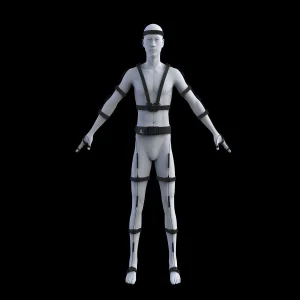
VDSuit Full Inertial Motion Capture Suit
Explore Solution -

Advanced Virtual Film Production Tools
Explore Solution -
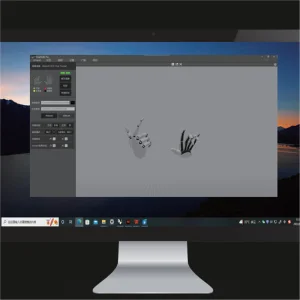
mHand Studio Glove Tracking Software System
Explore Solution -
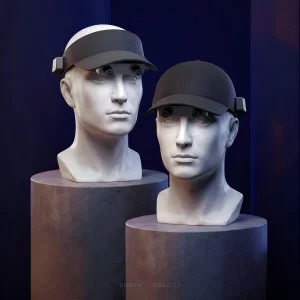
VDEgo FPV Head-Mounted Video Data Rig
Explore Solution -
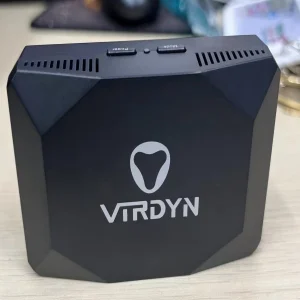
Suit Hub Motion Capture Full Accessories
Explore Solution -
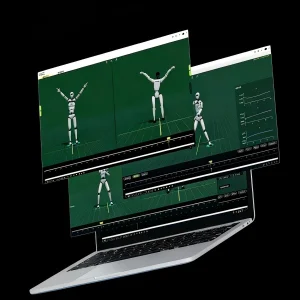
VDRobot Studio Robotics Motion Conversion
Explore Solution -
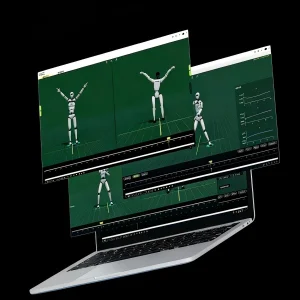
Ready-to-Use High-Precision Robot Motion Datasets
Explore Solution -
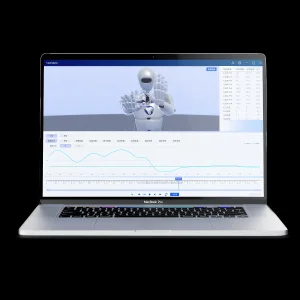
Valyze Intelligent Motion Analysis Software
Explore Solution