Design Motion Capture Provides Advanced Technology Tools for Virtual Film Production Planning, Solution
Product Description
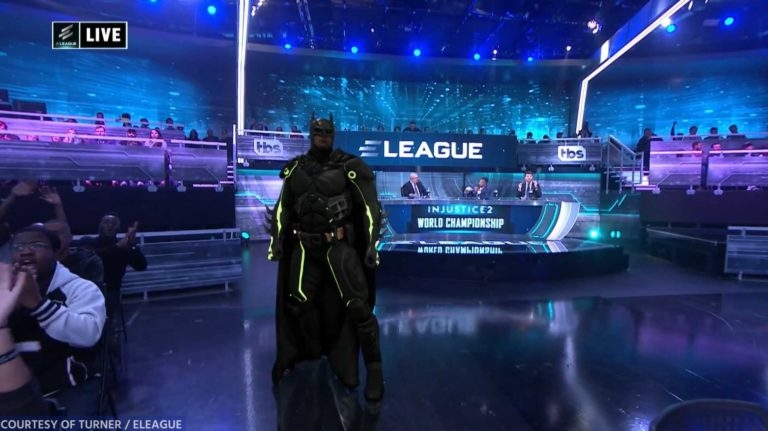
The success of virtual production cannot be achieved without the assistance of motion capture technology, which provides a high level of technical support and effective advanced technical tools for the construction of virtual worlds, the reproduction of film realism and the natural flow of animation.
The combination of motion capture technology and 3D CG virtual production technology creates a dazzling visual impact through the production of realistic and unattainable scenes, giving the audience an unparalleled new experience.
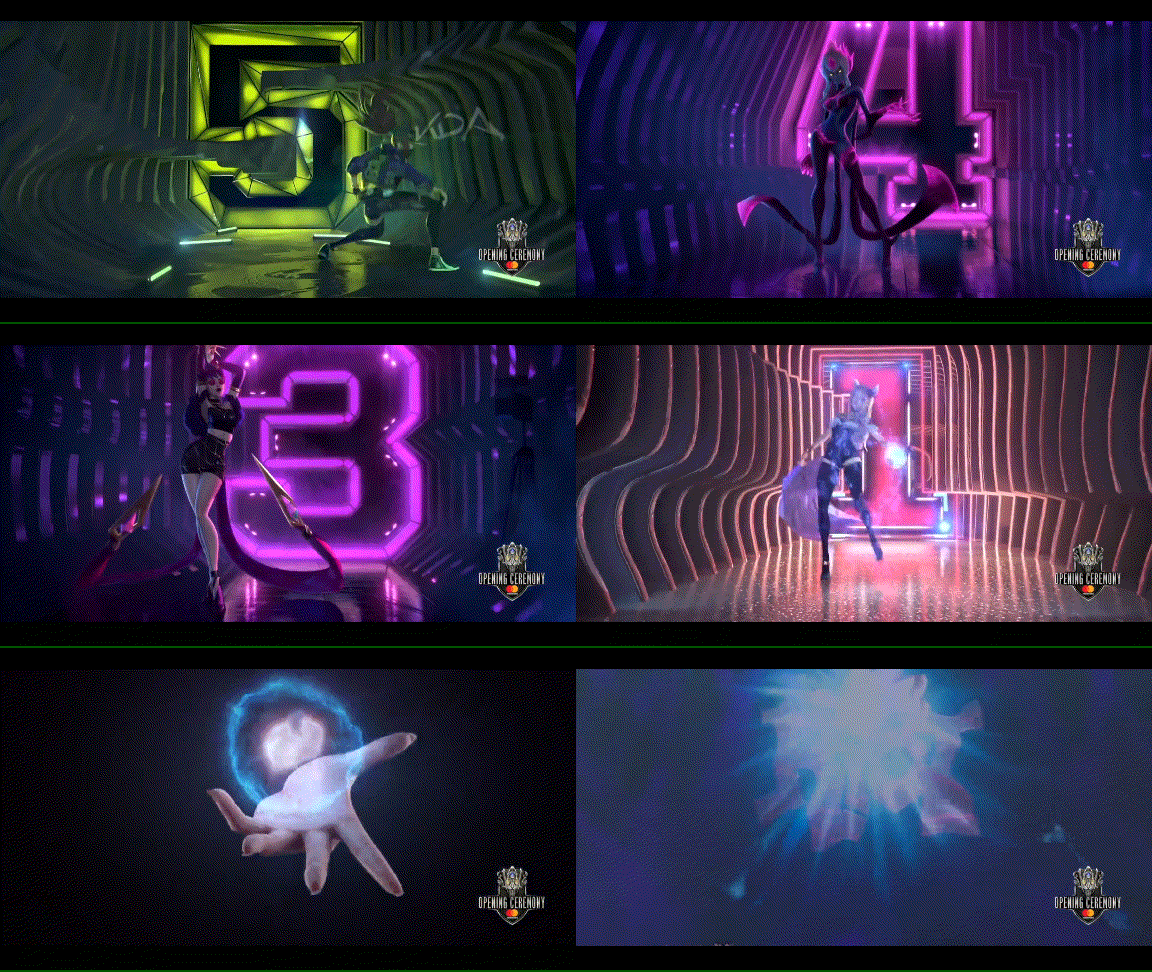
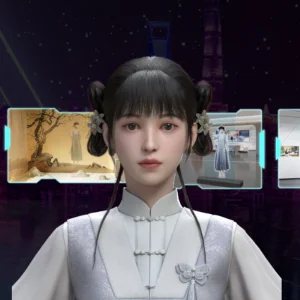
Motion capture transfers an actor's unique movement performance to a digital character and combines it with realistic virtual scene effects, resulting in a performance that is comparable to a realistic personality, thus creating a real-time film and television animation sequence.

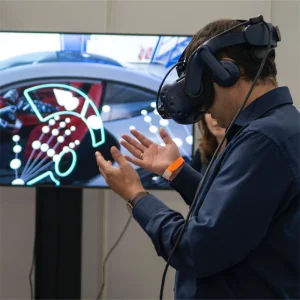
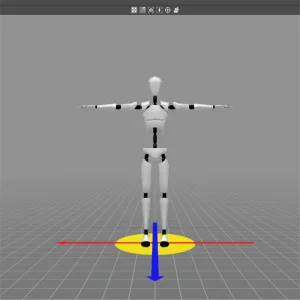
The virtual production process combines motion capture with full-body tracking of the performer, allowing users to track scenes and highly realistic digital characters, combined with high-fidelity finger tracking and facial capture capabilities, directly into the production engine in real time, with the lowest possible latency for data transfer.
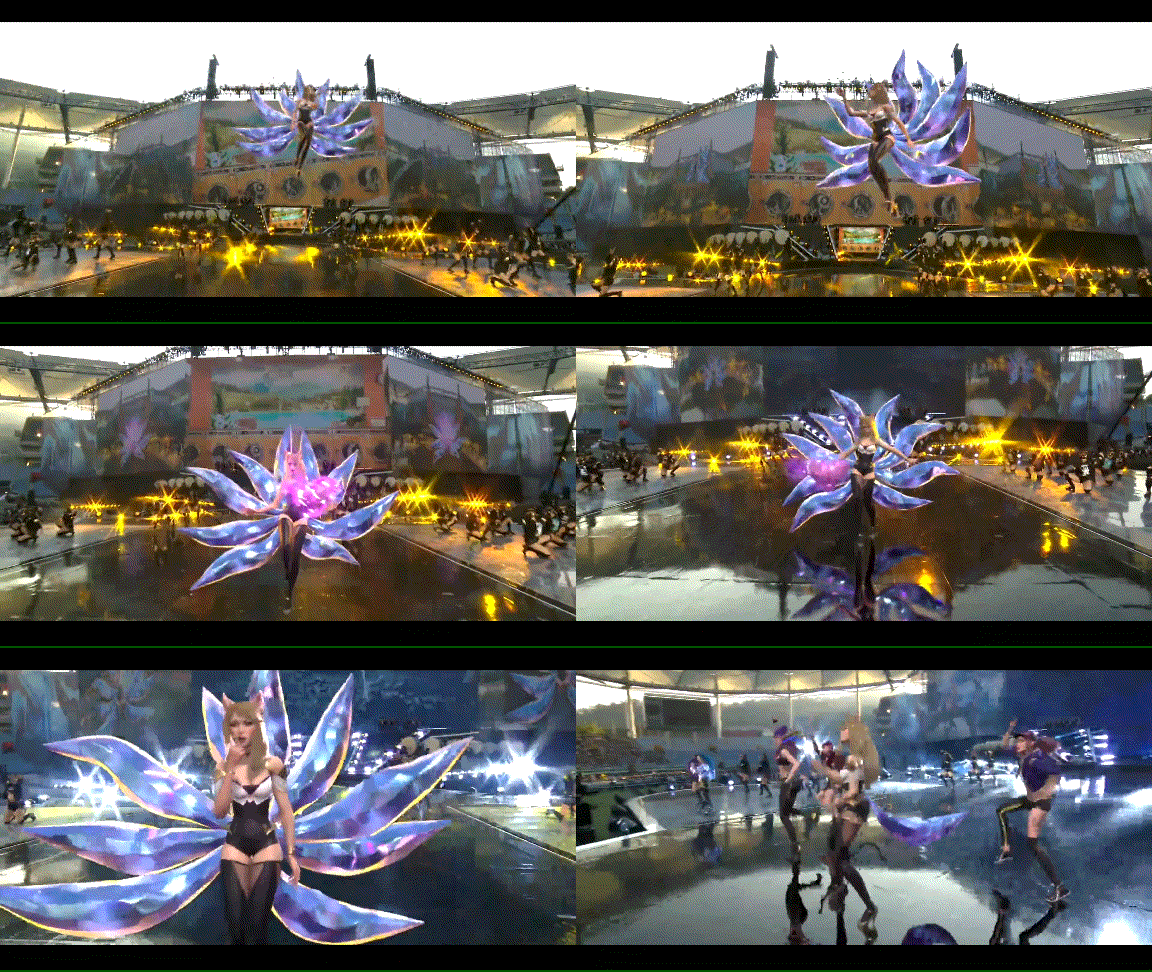

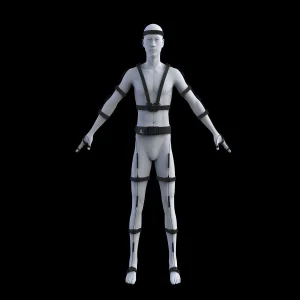
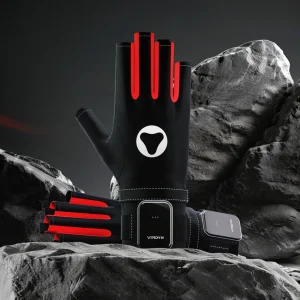
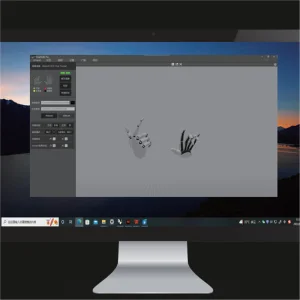
Virdyn Motion Capture System is a professional motion capture system applied to film and television, animation, games, advertising and other fields. With no space, light, scene or other restrictions, performers can perform freely, capturing the most realistic action gestures and empowering virtual production.
In the training and teaching of badminton, the standard model of this sport is quantified through a scientific basis. Coaches, professional badminton athletes, and national athletes demonstrate according to the quantitative tutorial, and the combined sensor captures the coach (standard) actions data, from which a standard model is established.
During the training process, the sports data of trainees and athletes is imported into the model for comparison with the standard model, which can scientifically assist the coaches to carry out specific exercises and action corrections for trainees, optimize actions, and improve sports performance. A modular, digital and visualized motion monitoring platform has been established.
Capture the motion trajectory: during the whole badminton teaching process, the motion trajectory that will be shot and the motion trajectory of the human arm can be presented through the host computer software or mobile terminal application. At the same time, it can also play back the motion trajectory restored at different time nodes (posture restore), making it convenient for coaches and students to analyze and correct the swing trajectory and action trajectory.
Coaches and students use a badminton training system based on inertial motion capture technology, and all sports data are uploaded to the data analysis center (server, cloud storage). The big data analysis center will conduct big data analysis based on historically accumulated data through artificial intelligence; it can automatically generate personal exercise data reports, establish a personal exercise database, and push relevant exercise data for exercise health management as needed.
Sports health data management, in competitive sports like badminton, is mainly to prevent sports injuries; coaches or health care doctors formulate corresponding sports injury prevention methods and corresponding rehabilitation training programs based on personal sports health data management reports.
In traditional badminton teaching, coaches teach face-to-face and one-on-one according to the teaching content; in the assessment, they also need to check and score one by one, which is not efficient. After introducing the teaching and training system of inertial motion capture technology, the solution enables a coach to synchronize with multiple students, and judge, analyze and score through the system data, which improves the teaching quality and teaching efficiency.
The intelligent badminton monitoring and intelligent scoring system can train and score specific content for the students; it can also synchronize the training data of the students and share them with the coaches and parents, so that the coaching staff can understand the training situation of the students and give guidance. For students, the system has also set up a parent terminal, which plays a supervisory role for parents to understand their children's practice.