Best Valyze | Visualized Intelligent Motion Data Analysis Software for ce, Sports, Rehabilitation & Education Planning, Solution
Explore Solution
Enterprise-grade motion telemetry solutions designed for virtual cinematography, live VTuber broadcasting, and interactive robotic agency.

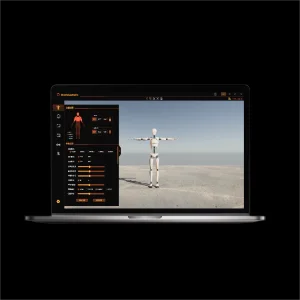
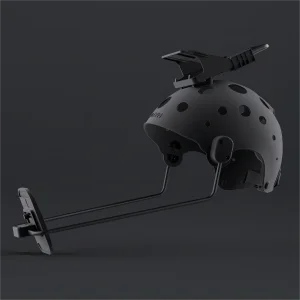
In the cinematic, broadcast, and game development landscapes, the convergence of high-density LED volumes (In-Camera VFX), multi-node sensor fusion, and neural real-time retargeting engines has fundamentally rewritten the economics of digital asset realization. Traditional post-production mo-cap required days of optical clean-up, occlusion reconstruction, and multi-pass pipeline fitting. Today's virtual production demands instantaneous kinematic convergence with end-to-end latency below 15ms.
Direct TCP/UDP telemetry piping to Unreal Engine LiveLink and Unity eliminates latency choke points. Performer kinematics translate into photorealistic in-camera VFX environments instantly, syncing with camera frustum and dynamic DMX studio lighting.
Unlike classic multi-camera optical setups that degrade when props, vehicles, or multi-actor crowds obscure optical passive markers, strap-and-go 9-axis inertial nodes calculate pure spatial orientation unimpeded by volumetric obstacles.
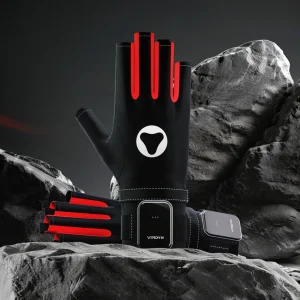
Enterprise pipelines unify full-body skeletal dynamics, micro-finger articulation via high-frequency strain/IMU gloves, and 52-blendshape ARKit-compliant facial performance into a single master timecode-locked frame array.
How tier-one VFX houses, broadcast media conglomerates, and industrial robotics labs leverage real-time motion capture arrays worldwide.
Directors review dynamic camera framing and complex digital character interactions directly through virtual viewfinders, reducing re-shoots and accelerating shot finalization.
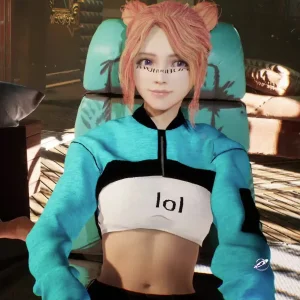
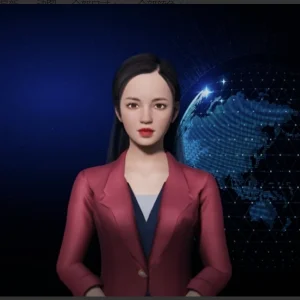
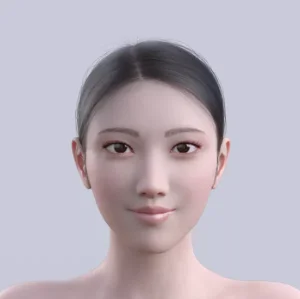
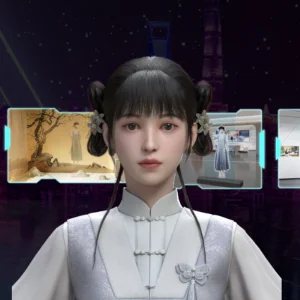
Broadcast networks and live-commerce creators engage massive audiences with 3D avatars driven live by actors, maintaining 60 FPS output across multi-platform networks.
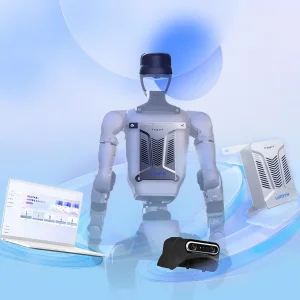
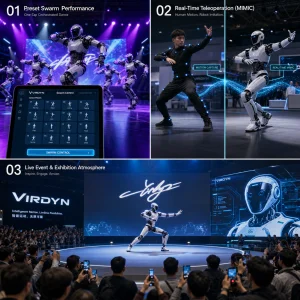
IMU arrays combined with dexterous gloves like mHand Pro provide training pipelines with ground-truth biomechanical data for humanoid robot imitation learning and teleoperation.
Standardizing real-time capture workflows across diverse studio conditions, educational research labs, and mission-critical live broadcast studios.
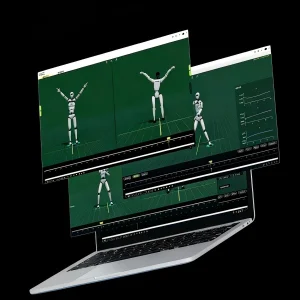
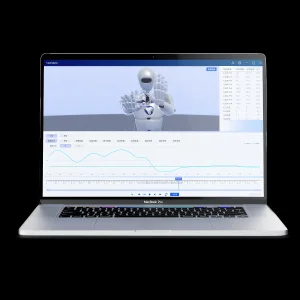
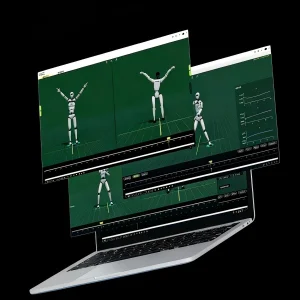
Biomechanical researchers and universities utilize software platforms like Valyze to study physical therapy, high-performance athletic ergonomics, and human kinetics without requiring dedicated, high-cost optical setups.
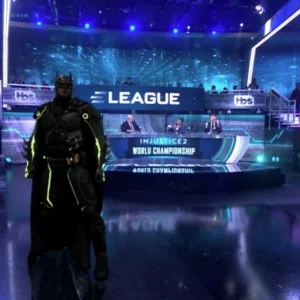
Performers wear wireless suits within LED stages without optical interference from high-frequency display panels, delivering live skeletal tracking into Unreal Engine 5 nDisplay networks.
Coupling mHand Pro inertial gloves with egocentric capture systems allows roboticists to collect precise fine-motor trajectory sets for reinforcement and imitation learning in embodied AI frameworks.
Deploying mission-critical wireless tracking equipment demands strict adherence to international telecommunications frameworks, secure data transmission, and seamless on-site support.
Transceivers comply with FCC (North America), CE RED (European Union), and SRRC (China) standards, operating on anti-jamming 2.4GHz and 5.8GHz dual-band wireless protocols.
Proprietary production datasets run on isolated local networks without cloud reliance, ensuring total intellectual property protection for unreleased studio projects.
Rapid 24-hour enterprise support with localized hardware replacement programs and engineering calibration across North America, Europe, and Asia-Pacific hubs.
Native C++, Python, and ROS2 developer kits with Open Sound Control (OSC) support allow quick integration into proprietary studio and robotics software stacks.
Key milestones shaping inertial-optical fusion, AI biomechanical prediction, and autonomous humanoid telepresence from 2025 through 2028.
Implementation of multi-sensor fusion engines with dynamic magnetic-disturbance rejection for production environments with heavy metal rigging.
On-chip edge neural networks predict joint contacts, foot-skate corrections, and center-of-mass biomechanics in real time without external markers.
Direct integration with neural radiance fields and volumetric capture, enabling dynamic live character relighting inside photorealistic digital twins.
Bi-directional haptic-inertial systems for seamless full-body humanoid robot control, remote industrial work, and generative virtual agents.
Detailed technical answers to help directors, technical directors, and studio procurement heads choose the right pipeline tools.
Deploy specialized hardware and software for humanoid teleoperation, automated live broadcast rooms, and high-fidelity facial capture.