Best VDAnalyze | Visualized Intelligent Motion Data Analysis Software for Dance, Sports, Rehabilitation & Education Planning, Solution
Product Description
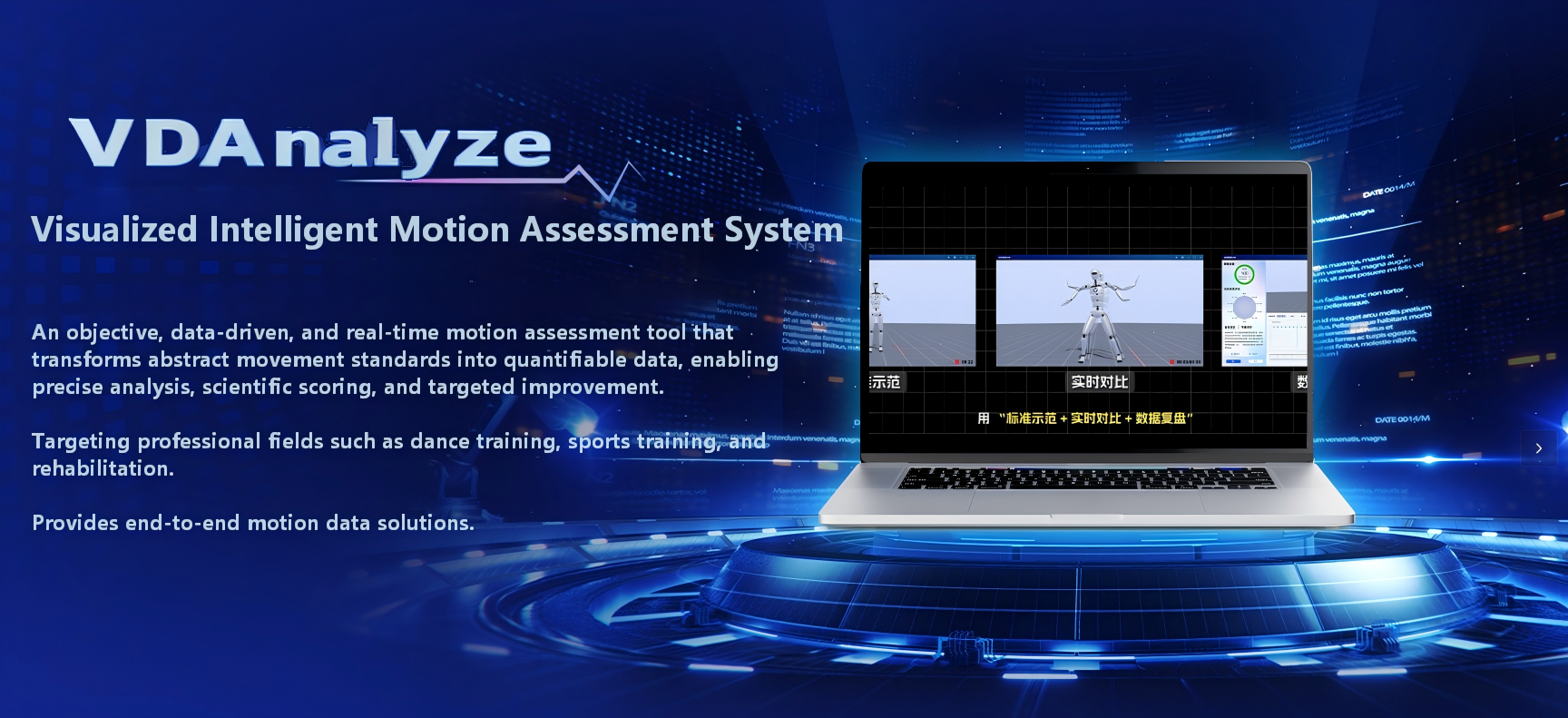
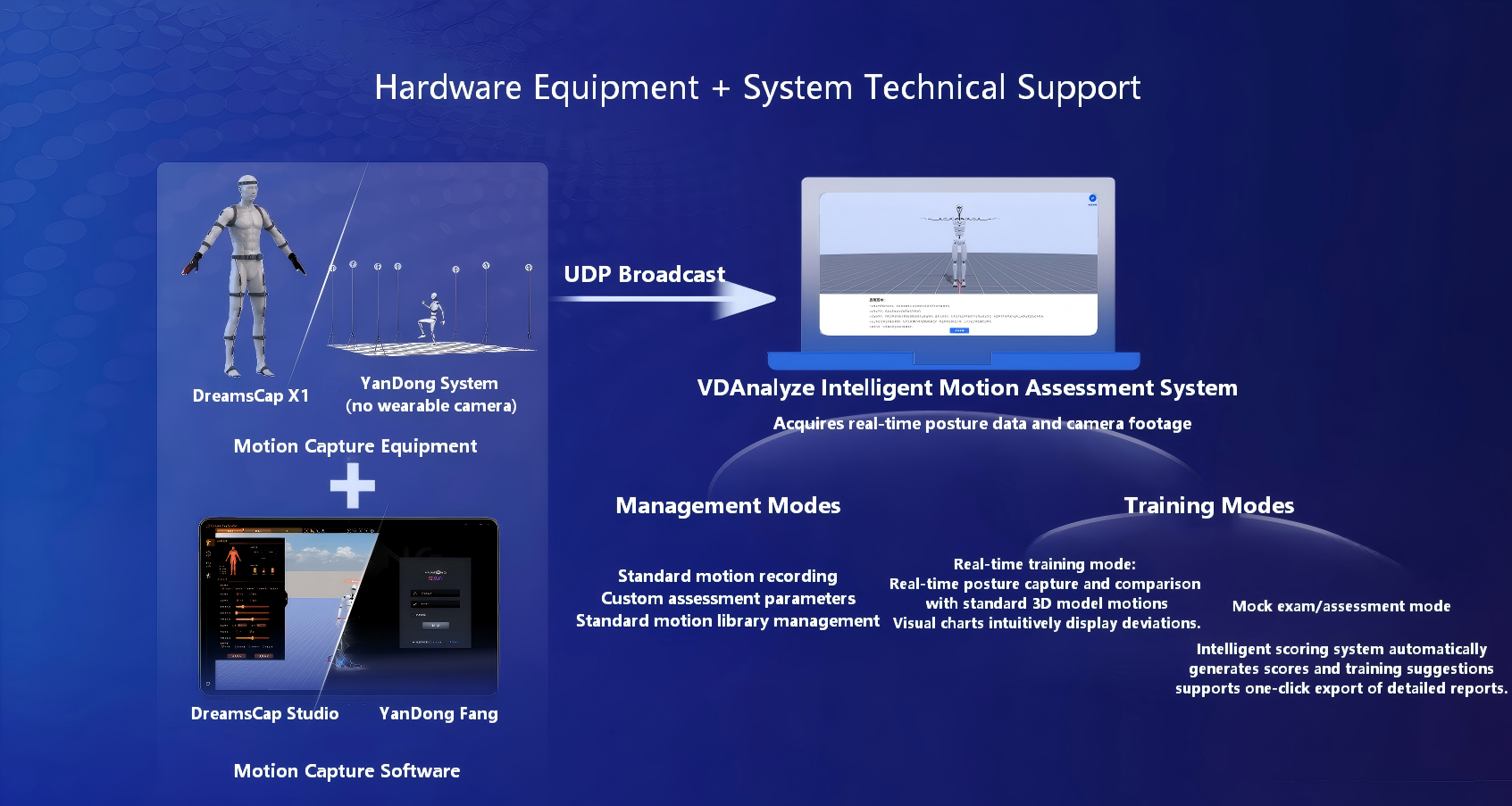
1. Motion Capture System
You can choose either of the two professional capture solutions according to your scenario needs:
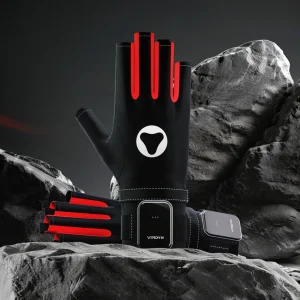
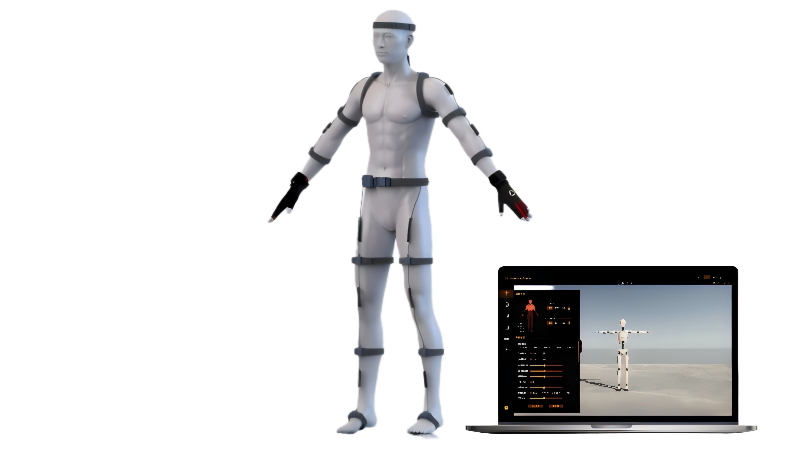
- DreamsCap X1: High-precision inertial motion capture suit
- YanDong System: Markerless vision-based capture, no wearable devices required
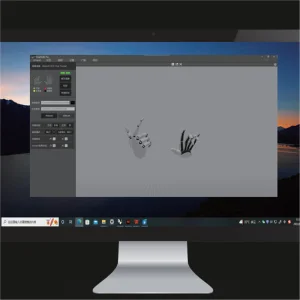
- DreamsCap Studio: Dedicated for DreamsCap X1
- YanDong Fang: Dedicated for YanDong System
2. Valyze Software System
Valyze – Visualized Intelligent Motion Data Evaluation System supports dual-mode switching for flexible management and training.
- Record standard demonstration movements
- Customize assessment parameters and scoring rules
- Manage the standard motion library efficiently
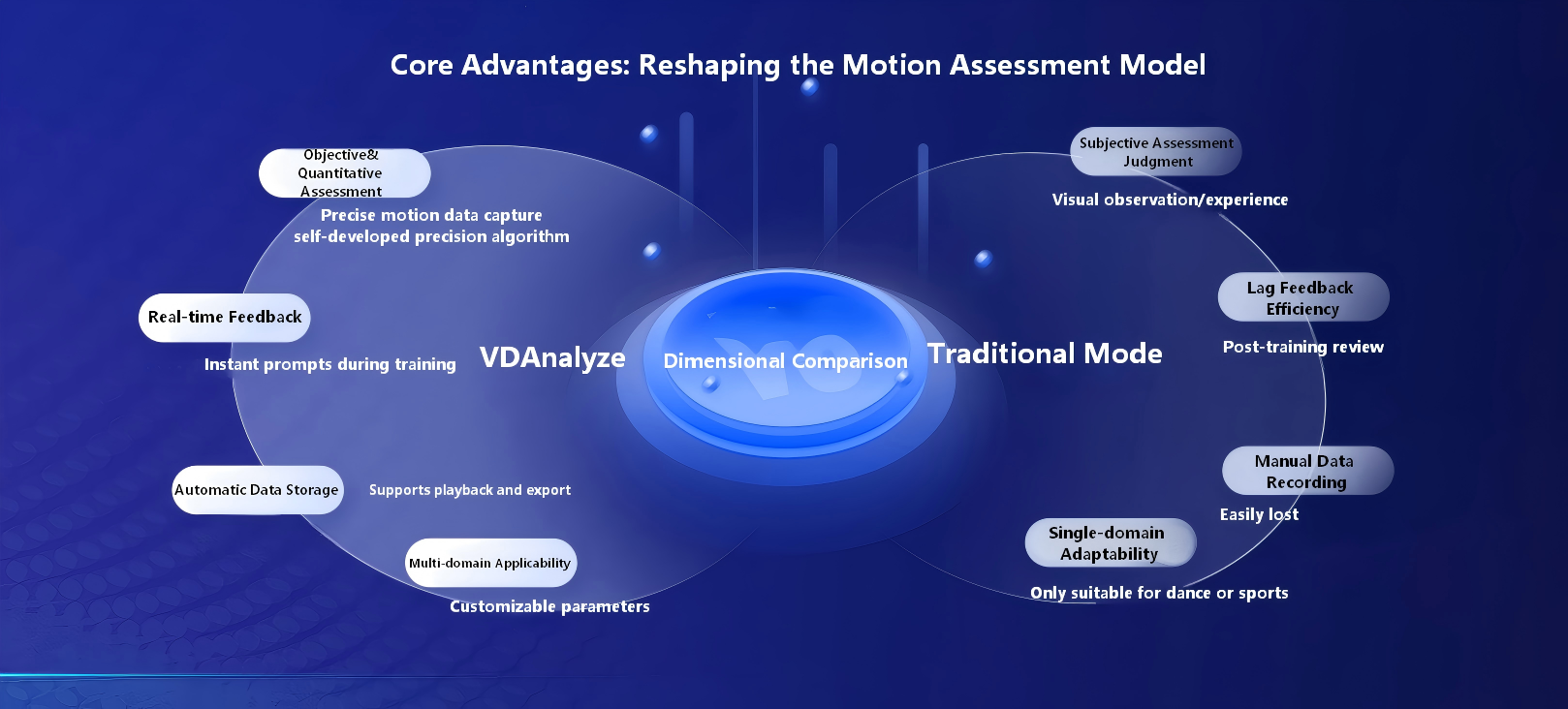
Real-Time Training Mode
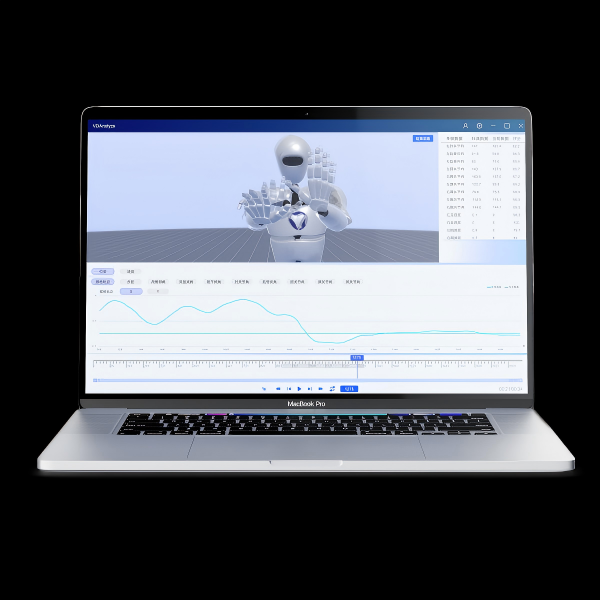
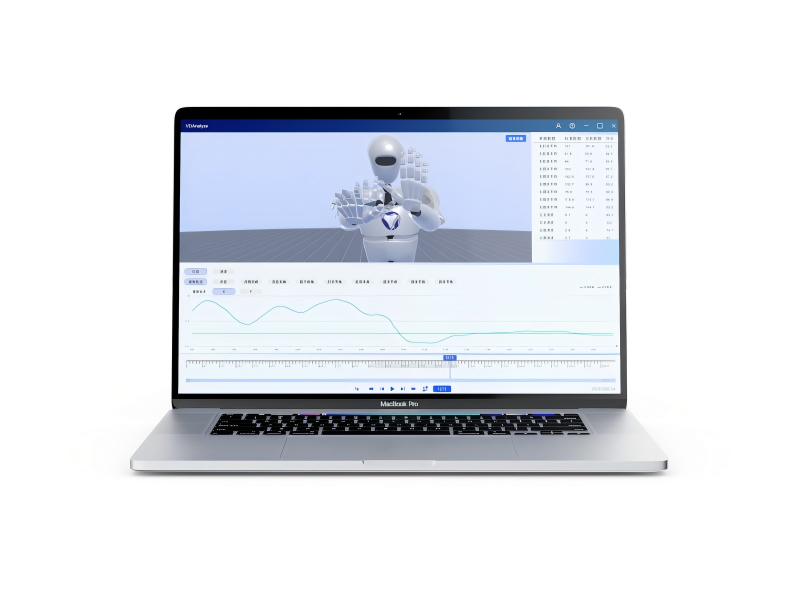
- Real-time comparison between captured poses and 3D standard models
- Visual charts clearly show motion deviations
- Instant feedback for accurate correction
Mock Exam / Formal Assessment Mode
- Intelligent scoring system automatically generates ratings and targeted training suggestions
- One-click export of detailed assessment reports
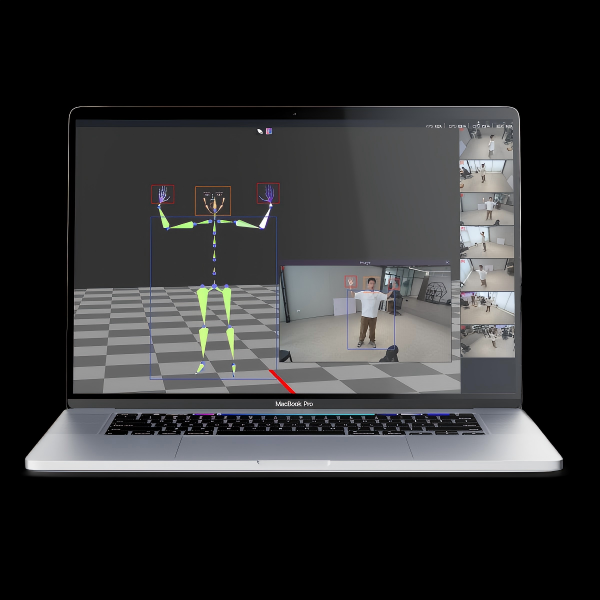
YanDong System – Markerless Vision Capture
Powered by advanced computer vision algorithms, YanDong delivers completely markerless motion capture with no wearable devices required.
- Truly markerless, no wearables
- Unconstrained movement
- Absolute displacement tracking
- Supports multi-user scenarios
- Adapts to individual body differences
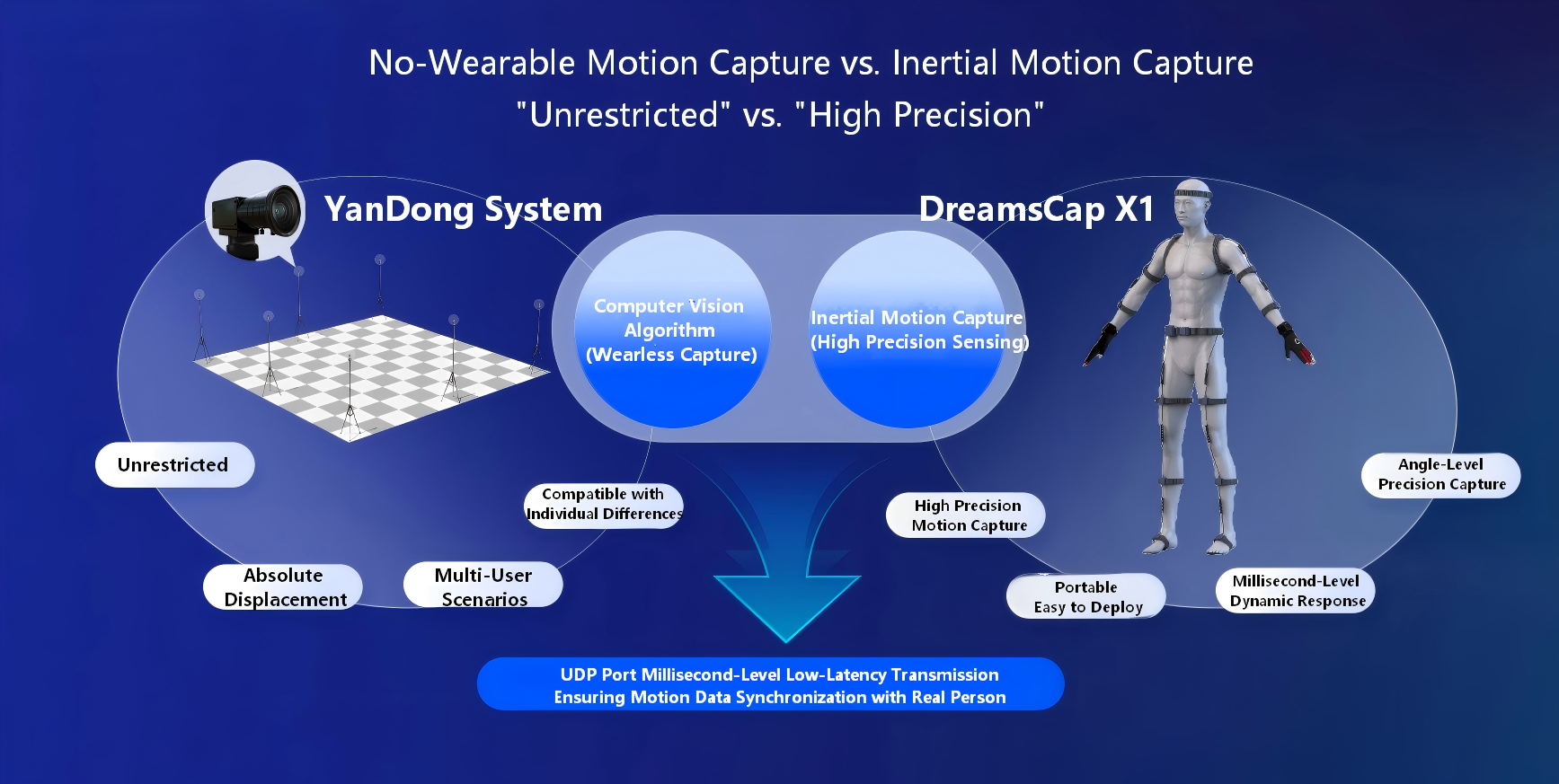
YanDong Markerless Vision System vs. DreamsCap X1 Inertial System
| Item | Details |
|---|---|
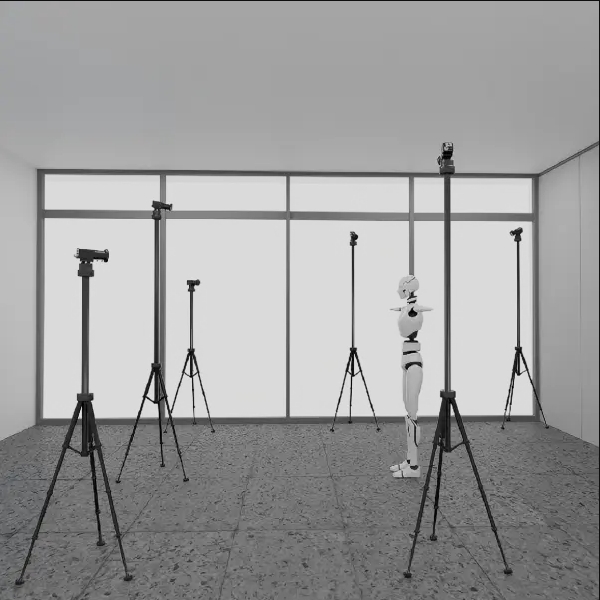
| Truly Markerless | No suits, no markers; capture 1–2 performers simultaneously in a 4m × 4m capture area |
| Comprehensive Capture | Full-body tracking + precise hand movements + facial expression capture in one system |
| Pipeline Integration | Real-time UDP streaming; native plugins for Unity, Unreal Engine, Maya, Blender, MotionBuilder, iClone; supports FBX / BVH / CSV export |
| Professional Hardware | 7 × 3.2MP color global-shutter cameras; ultra-wide low-distortion lenses; synchronized capture at 60 fps |
| All-in-One Package | Complete kit: cameras, calibration tools, software, and technical support for fast deployment |
| Ideal Use Cases | Animation studios, game development, VFX production, creative motion projects |
Camera Specifications (VIRDYN-YDC-V2)
| Item | Details |
|---|---|
| Sensor | 3.2MP Color CMOS Global Shutter |
| Resolution | 2048 × 1536 @ 60 fps |
| Pixel Size | 3.45 μm × 3.45 μm |
| Lens | C-mount, ultra-wide-angle, distortion < 0.5% |
| FOV (H×V) | 82° × 66° |
| Interface | Gigabit Ethernet (GigE Vision), PoE supported |
| Operating Temperature | -30°C ~ 60°C |
| Convenience | Clearly labeled cameras for fast setup |
DreamsCap X1 – High-Precision Inertial Motion Capture
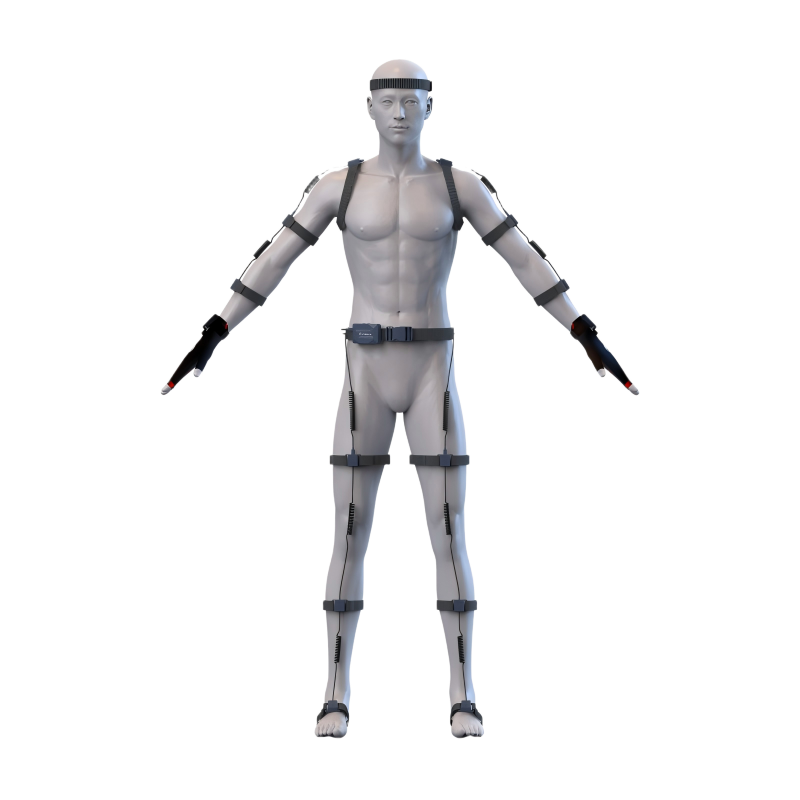
DreamsCap X1 uses high-performance inertial sensing technology to deliver sub-degree precision for professional, detailed motion capture.
- Ultra-fine motion capture
- Portable and easy to deploy
- Millisecond‑level dynamic response
- Angle‑level high-accuracy tracking
- Stable, reliable, and interference-resistant
| Item | Details |
|---|---|
| Skeleton Tracking | 31 key full-body skeletal nodes |
| Weight | ≤870g (with gloves); body and finger modules separable |
| Material | Breathable, high-elastic nylon; adjustable straps; washable gloves |
| Sensors | 32×9‑DoF high-precision IMUs |
| Battery | Li‑Po battery; 5V; ≥8 hours (supports charging while in use) |
| Transmission | 2.4GHz adaptive frequency hopping; ≥90m open range |
| Latency | <16ms |
| Frame Rate | 60/72/80/96/120 Hz |
| Sensor Refresh Rate | ≥1000Hz (body); ≥800Hz (gloves) |
| Pose Accuracy | ROLL<0.5°, PITCH<0.5°, YAW<1.5° |
| Angular Resolution | <0.02° |
| Gesture Recognition | 18 high-precision hand gestures |
| Multi‑User | Supports up to 5 people simultaneous capture |
DreamsCap X1 Key Specifications
| Item | Details |
|---|---|
| Acceleration Range | ±16G |
| Gyro Range | ±2000dps |
| Magnetic Range | ±4.9Gs |
| Power | 5V DC |
| Working Environment | Indoor & stable outdoor spaces |
| Recommended Distance | ≤10m (Wi‑Fi dense environment) |
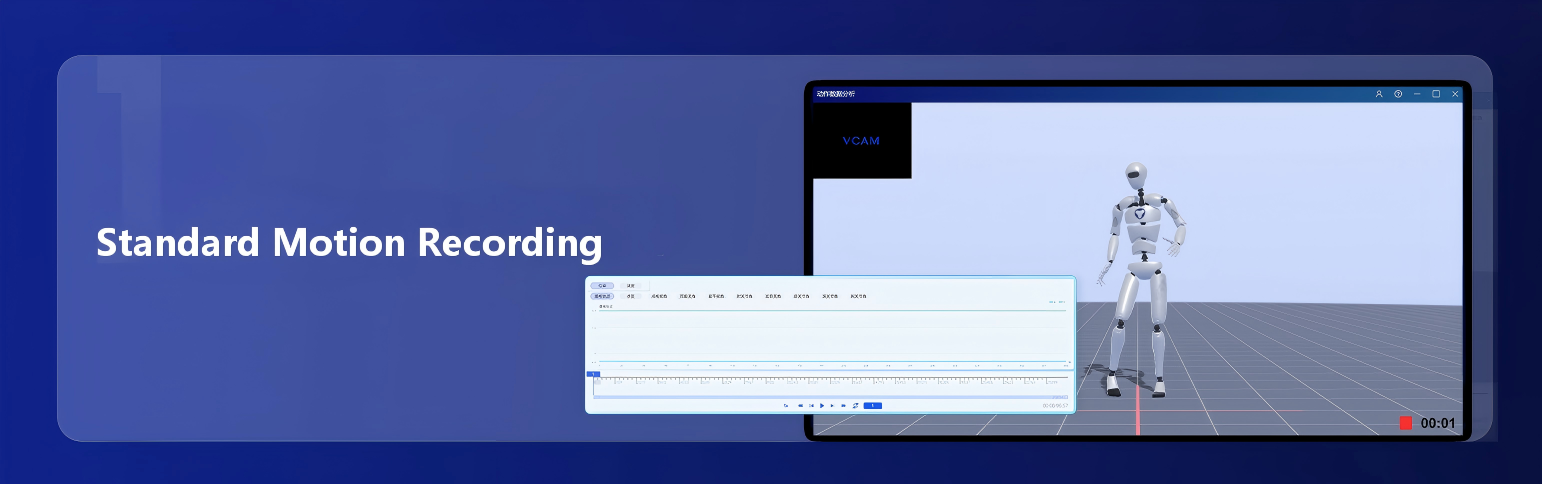
I. Management Mode
Designed for assessment administrators, the Management Mode provides a visualized data management platform for creating complete evaluation systems, including assessment rules, standard movements, and scoring criteria (collectively referred to as the Standard Motion Library).
1. Standard Motion Library Recording
- Supports real-time camera capture and motion data recording
- Visualized motion data analysis and profiling
- Customizable editing of assessment rules and evaluation content
- Flexible trimming and editing of recorded motion data
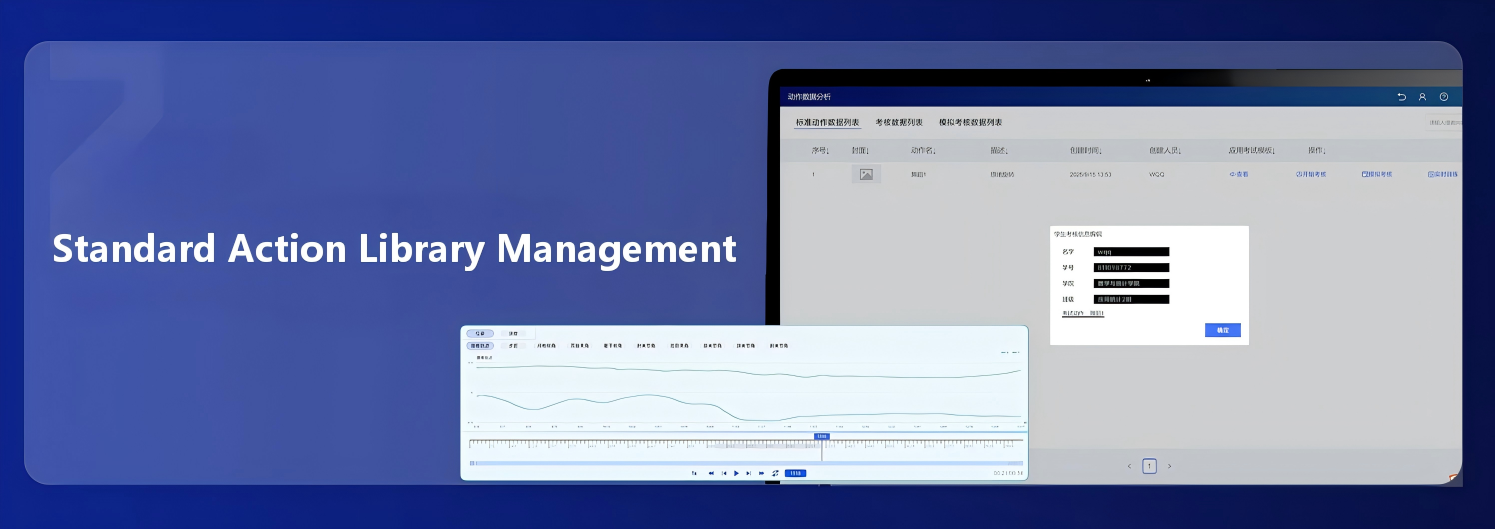
2. Standard Motion Library Management
- Stores historical motion and assessment data
- Supports uploading of standard motion datasets
- Allows viewing, searching, and deleting motion records
- Supports redefining and updating assessment content
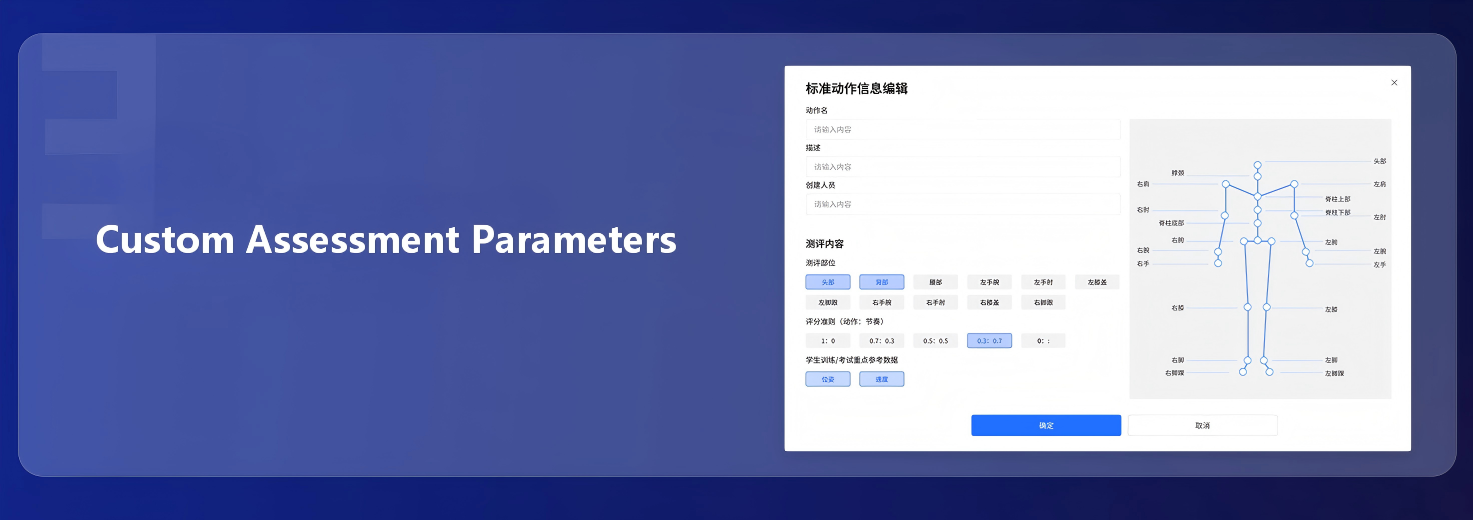
Customizable Assessment Parameters
- Waist, back, left/right knee, left/right heel, left/right elbow, left/right wrist
Customizable motion-rhythm scoring ratio: 10:0, 7:3, 5:5, 3:7, 0:10
- Posture Metrics: lumbar trajectory, step width, craniovertebral inclination, elbow joint angle, humeral angle, knee joint angle, hip angle, ankle angle, torso inclination, wrist joint angle
- Velocity Metrics: elbow angular velocity, knee angular velocity, ankle angular velocity, hip angular velocity, left/right wrist and foot velocity
II. Training & Assessment Mode
This mode serves as an all-in-one learning and evaluation platform for trainees, while enabling managers to monitor training progress. It includes three modules: Formal Exam, Mock Exam, and Real-Time Training.
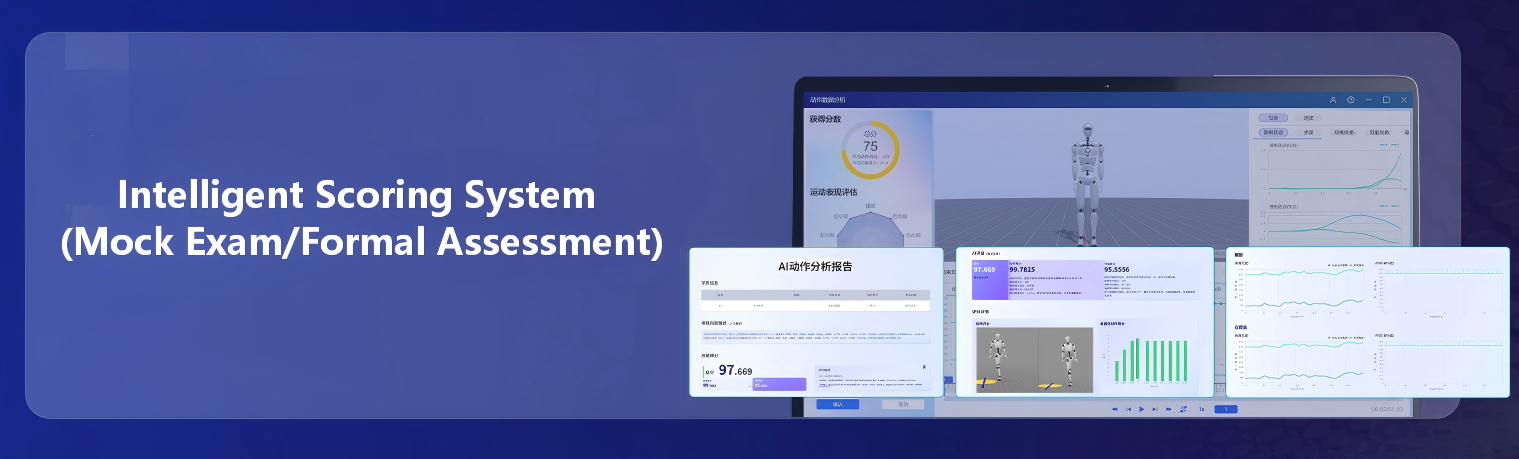
1. Intelligent Scoring System
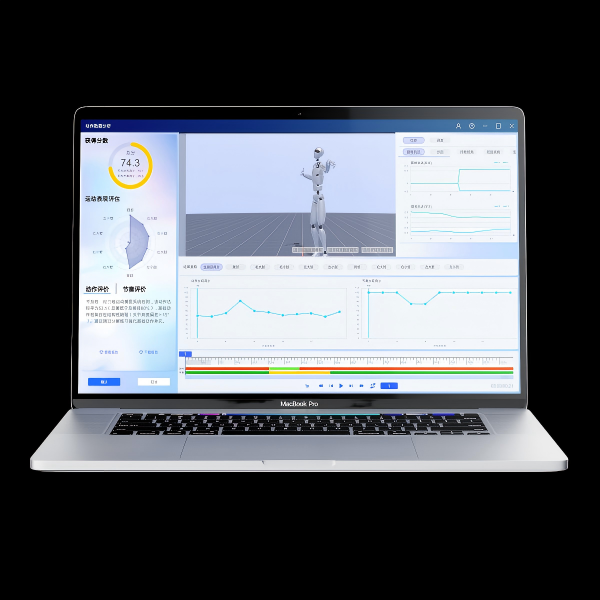
After formal or mock exams, the system automatically generates motion scores and multi-dimensional evaluation data with one-click detailed report export. Key indicators include:
- Overall score display
- Motion performance evaluation
- Movement and rhythm rating
- Assessment report preview and export
- Real-time exam footage and motion visualization
- Quantified display of evaluation data
- Time-series data of detailed scoring for each body part
- Visual prompts for segmented motion scoring
- More than 9 professional evaluation dimensions
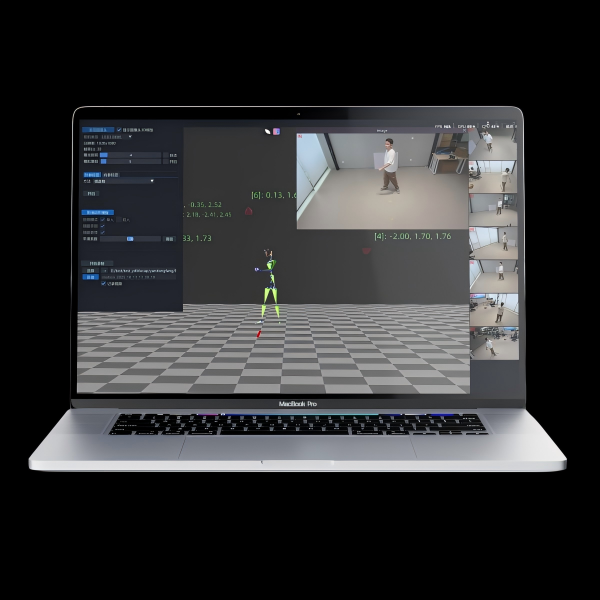
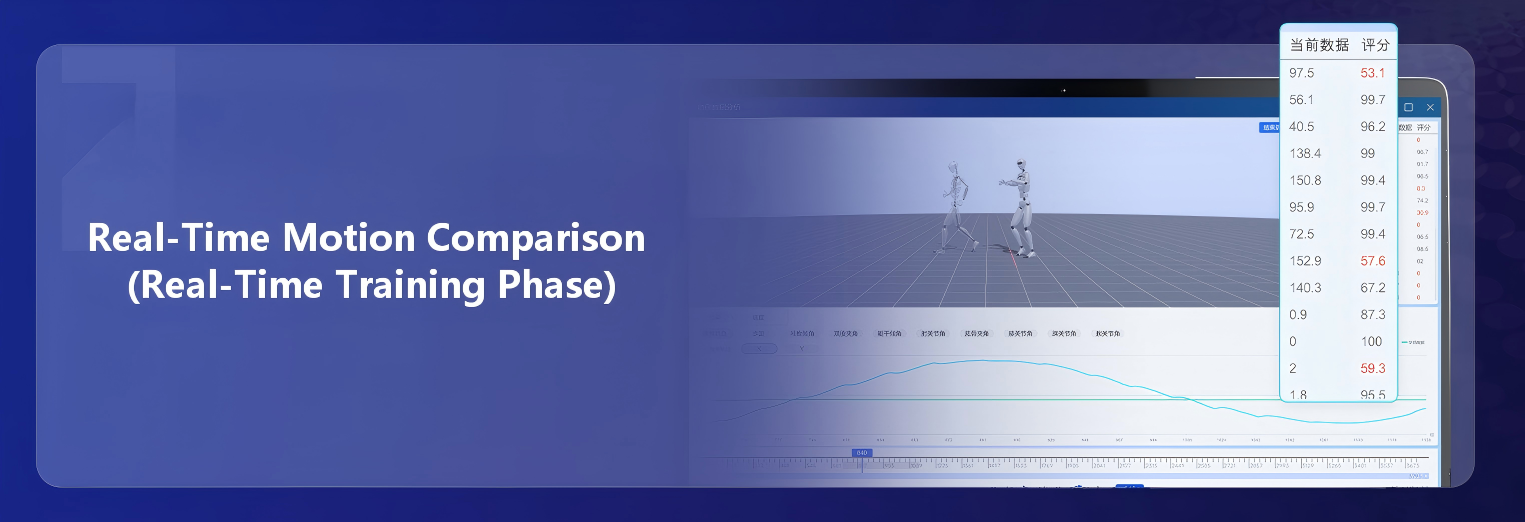
2. Real-Time Motion Comparison
In real-time training mode:
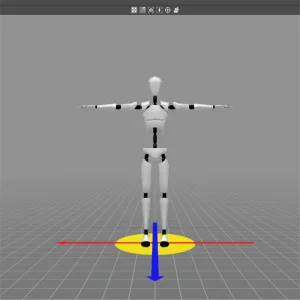
- 3D digital human visual motion comparison
- Instant prompts for standard/non-standard movement
- Time-series data visualization
- Quantified display of assessment parameters
3. Multi-Dimensional Motion Capture & Data Visualization
Supports high-precision tracking, analysis, and quantitative evaluation of standard movements, with full real-time data visualization.
4. Result Data Export
Allows exporting assessment reports, scoring data, motion curves, and analysis results in common external file formats.
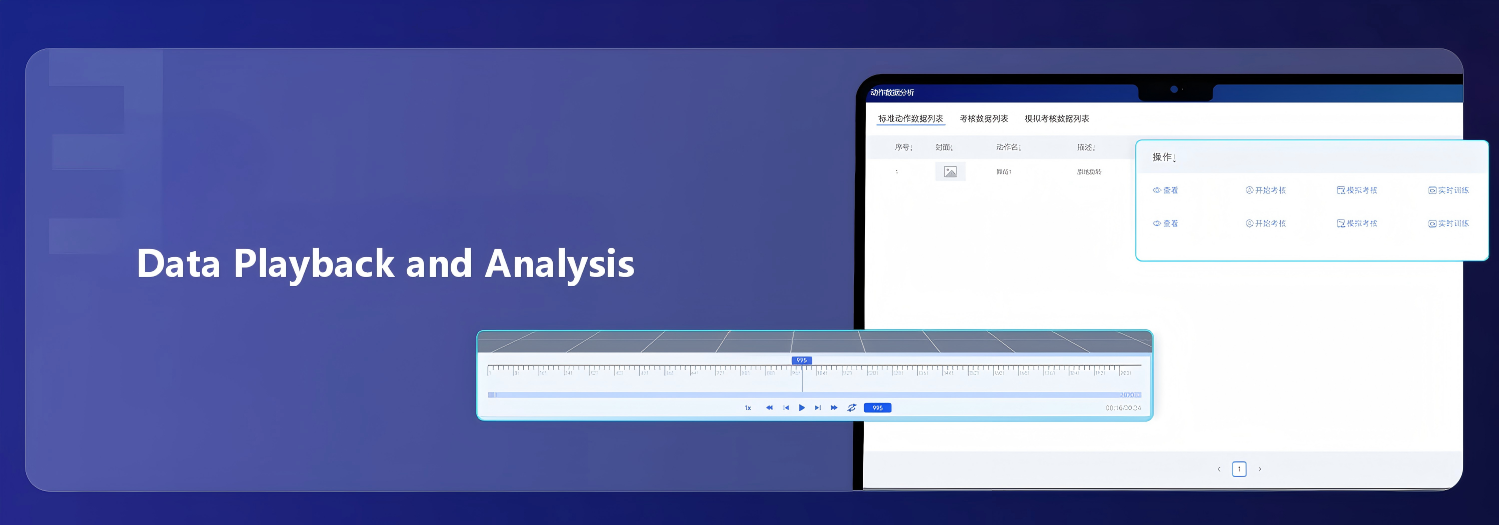
5. Data Playback & Analysis
Stores, replays, and analyzes recorded motion data and exam results for in-depth review and improvement.
6. Real-Time Standard Motion Reference
During mock exams, the system displays the standard motion library in real time via a 3D digital human for side-by-side comparison and correction.
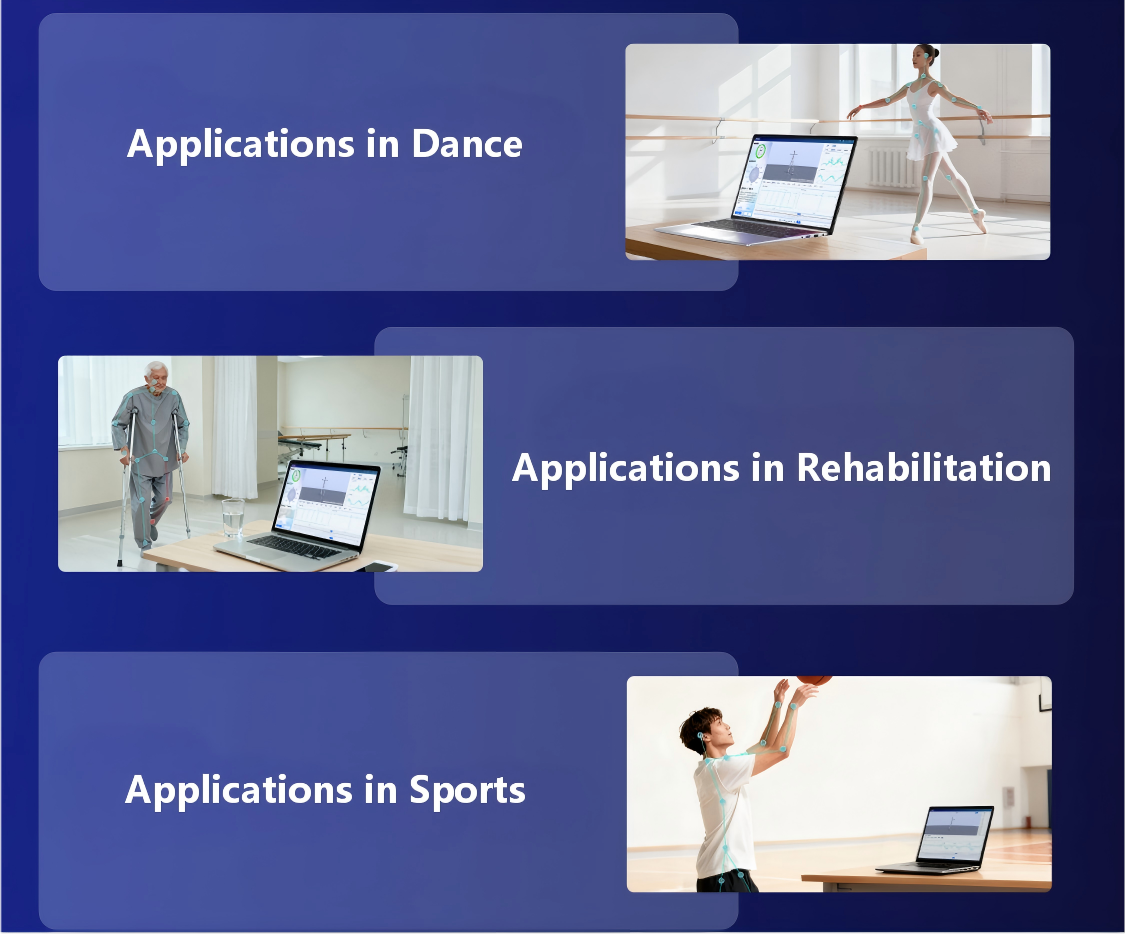
Application Scenarios
- Record standard motion library
- Real-time 3D digital human comparison
- Auto scoring eliminates subjective bias
- Pinpoint wrist, waist and limb issues quickly
- Build standard rehabilitation motion library
- Real-time deviation prompts
- Weekly report export for recovery tracking
- Data-driven treatment adjustment
- Monitor joint angles (e.g., shooting elbow)
- Reduce injury risks
- Analyze step width, hip velocity & more
- Quantify training effectiveness
- Standardized teaching
- Objective assessment
- Visualized student progress
- Efficient large-class management
Frequently Asked Questions (FAQ)
YanDong is an optical markerless capture system requiring no wearable suits, using 7 high-speed cameras to track performers freely in a 4m × 4m area. DreamsCap X1 is an inertial motion capture suit utilizing 32 IMU sensors, ideal for high mobility, portability, and sub-degree rotational accuracy across diverse environments.
Yes. The system supports real-time UDP streaming and includes native integration for major 3D software and engines, including Unreal Engine, Unity, Maya, Blender, MotionBuilder, and iClone. Standard file exports like FBX, BVH, and CSV are fully supported.
The system performs multi-dimensional mathematical analysis comparing the user's real-time skeleton data against a pre-recorded Standard Motion Library. It calculates joint angles, velocity, and spatial trajectory deviations, weighting posture and rhythm according to customizable ratios.
The YanDong markerless vision setup is optimized for simultaneously tracking 1 to 2 performers in a designated capture space, while the DreamsCap X1 inertial system supports simultaneous capture for up to 5 performers.
Administrators can configure parameters for critical body parts (lumbar, knees, elbows, heels, wrists), adjust motion-to-rhythm scoring weights (such as 7:3 or 5:5), and track specific kinetic data including joint angles, step width, angular velocity, and trajectory metrics.