
Selected Hardware & Software Solutions: Phase I
Pre-calibrated sensory systems, markerless computer vision arrays, and teleoperation apparatuses engineered for university laboratories, sports science clinics, and AI engineering facilities.
-
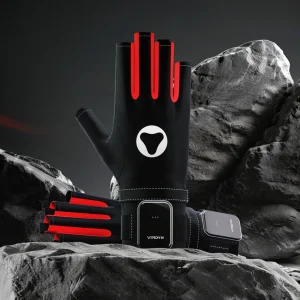
mHand Pro Inertia Gloves
Best Virdyn mHand Pro an Inertia Motion Capture Gloves for Virtual Reality Planning, Solution -
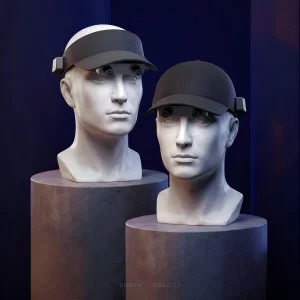
VDEgo Egocentric Vision System
Design VDEgo - Egocentric Video Data Collection Service at Scale | FPV Head-Mounted Camera Planning, Solution -
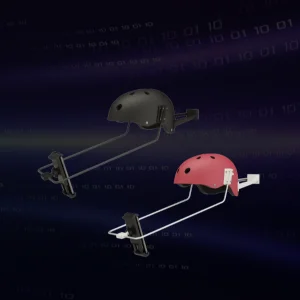
-
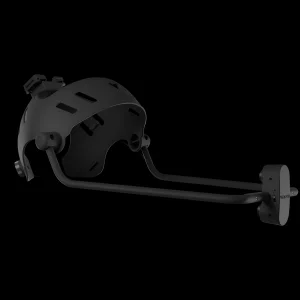
AH Dual-Camera Facial System
Design AH Double Camera-Based Face Capture Helmet With HD 1080p Embedded RGB Camera Planning, Solution -

-
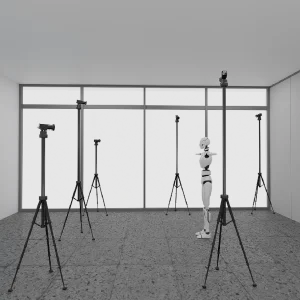
YanDong Markerless Optical Matrix
Best Camera Optical Markerless Motion Capture Solution - Virdyn YanDong | Real-Time Full Body, Hands, Face Planning, Solution -
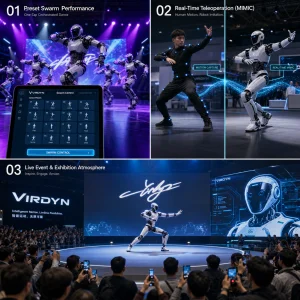
Humanoid Robot Teleoperation Hub
Best Virdyn Humanoid Robot Live Event Performance Solution for Robot ce&Teleoperation Planning, Solution -
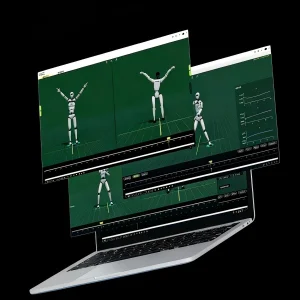
VDTraining Imitation Platform
Design VDTraining: One-Stop Robot Reinforcement & Imitation Learning Platform Planning, Solution
Architecting Academic Motion Capture Infrastructure: Engineering, Validation & Pedagogical Integration
A structured blueprint for universities, national laboratories, and academic departments seeking high-fidelity human kinematic capture, low-latency robotic imitation, and multi-tenant laboratory resilience.
Macro Industry Solutions: Cross-Disciplinary Shared Academic Infrastructure
Modern university administrations face systemic budget constraints when funding multiple departmental mocap studios. An isolated optical mocap volume built strictly for game design often sits idle during off-peak academic quarters, while engineering and kinesiology departments struggle with uncalibrated, fragmented hardware. Virdyn's centralized deployment architecture bridges these departmental silos by providing an interchangeable, modular motion capture ecosystem.
Biomechanics & Ergonomics
Enables millimeter-accurate kinematic angle telemetry, ground reaction force synchronization, and gait symmetry analysis using Valyze software for clinical rehabilitation, kinesiology, and sports physiology research.
Embodied AI & Humanoid Robotics
Delivers real-time full-body and dexterous hand teleoperation through ROS/ROS2 nodes. Facilitates tele-demonstration, reinforcement learning, and imitation datasets via VDTraining and VDRobot Studio.
Interactive Media, VFX & Virtual Production
Direct low-latency streaming to Unreal Engine 5 (Live Link), Unity, MotionBuilder, and Blender. Accommodates student capstone projects, VTuber live broadcasting, virtual studio sets, and digital theatrical performance without lengthy optical marker attachment protocols.
Algorithmic Sensor Fusion, Drift Mitigation & Future Outlook
In-depth technical analysis of high-density inertial-optical integration, edge neuromorphic processing, and peer-reviewed data validation methodologies.
Multi-Sensor Extended Kalman Filtering (EKF)
Traditional academic mocap struggles with electromagnetic distortion from structural steel and electronics. Virdyn deploys an adaptive 9-axis EKF architecture that decouples heading estimation from magnetic anomalies, relying on biomechanical skeletal constraints and kinematic velocity estimators to maintain zero-drift drift profiles during sustained experiments.
Next-Gen Hybridization Roadmap
Our forward roadmap bridges IMU dynamic frequency agility with YanDong markerless optical computer vision and egocentric camera arrays (VDEgo). This creates a self-healing tracking envelope where optical data anchors root spatial positions while high-rate inertial sensors solve occluded limbs, fast contact transitions, and micro-finger gestures.
Open Academic SDKs & Computational Reproducibility
Institutional researchers demand open protocol data streams rather than proprietary closed binary pipelines. Virdyn exposes native C++, Python, and C# APIs, alongside standardized BVH, FBX, JSON, and CSV timestamped quaternion streams, ensuring absolute data provenance compliant with IEEE and ACM publication standards.
| Evaluation Parameter | Virdyn Inertial (VDSuit Full + mHand Pro) | Traditional Optical Marker Studios | Hybrid Markerless (YanDong + VDEgo) |
|---|---|---|---|
| Laboratory Footprint | Zero dedicated stage required; operates anywhere | Requires minimum 8x8m dedicated unreflective room | Standard classroom / office setting (3x3m minimum) |
| Occlusion Vulnerability | Immune (direct body-segment attached IMUs) | High vulnerability during multi-actor or prop interaction | Mitigated via multi-view AI depth estimation |
| Robotics Real-Time Streaming | Native ROS/ROS2 low-latency UDP packets (<15ms) | Requires translation layer; potential camera dropout | Direct vision-pose embedding for imitation models |
| Setup Time per Subject | 3 - 5 minutes (quick suit calibration pose) | 25 - 45 minutes (marker placement, wand calibration) | Instantaneous (< 30 seconds, zero wearables) |
| Institutional Procurement Budget | High efficiency; accessible via single grant line | Extremely high capital expense + specialized maintenance | Moderate capital expense; zero wearable consumable wear |
China Factory 4.0: Supply Chain Resilience & Efficiency Advantages
Direct-from-manufacturer agility, automated multi-axis calibration robotics, and unmatched procurement ROI for institutional grant holders.
Integrated Greater Bay Area Ecosystem
Headquartered in Guangzhou, Virdyn leverages the world’s most advanced electronics hardware manufacturing corridor. Direct vertical integration across precision PCB fabrication, micro-machined IMU integration, and specialized ergonomic textile manufacturing eliminates third-party supply chain bottlenecks, ensuring stable global lead times of under 10 business days.
Automated Robot-Arm Calibration
Every VDSuit sensor node undergoes automated 6-axis robotic arm dynamic calibration in our Guangzhou Industry 4.0 facility. Thermal chamber thermal-drift profiling ensures every unit maintains sub-degree angular certainty across variable university laboratory temperatures without manual field tuning.
Grant Budget Multiplier & TCO Optimization
Academic principal investigators (PIs) routinely report stretching departmental grant budgets by 300% to 500% when selecting Virdyn compared to legacy European or American mocap brands. By bypassing exorbitant distributor markup and proprietary software maintenance subscriptions, institutions can equip an entire computer lab or robotics cohort for the cost of a single legacy optical station.
Global Enterprise & Higher Education Sourcing Protocols
Standardized workflows designed for university procurement officers, research bursars, tender boards, and system integrators.
1. Architectural Needs Assessment & RFQ Spec
Institutional buyers submit specific lab parameters (e.g., student seating capacity, concurrent capture subjects, required engine integrations, ROS/Python telemetry protocols). Virdyn technical engineers deliver a structured bill-of-materials and formal proforma documentation within 24 hours.
2. Virtual Pilot & Skeletal Validation
Prior to formal tender commitment, university research teams participate in live, low-latency remote video demonstrations. Prospective departments stream live capture telemetry straight to their custom character rigs or robotic digital twins to verify kinematic continuity and retargeting stability.
3. Compliant Sourcing, DDP Logistics & Invoicing
We provide full institutional compliance paperwork, including harmonized tariff codes (HS Code), Certificates of Origin, CE/FCC/RoHS declarations, commercial invoices, and support for university purchase orders (POs), wire transfers, and educational tax exemption frameworks.
4. Laboratory Commissioning, SDK Onboarding & SLA Support
Turnkey onboarding includes comprehensive digital manuals, video syllabi for student instruction, pre-configured Unreal/Unity project templates, and direct engineer-to-engineer ticketing via email, WhatsApp, and remote conference sessions for academic faculty.
Localized Support, International Compliance & Research Ethics
Ensuring full regulatory alignment across global institutional standards, export classifications, and human-subject telemetry integrity.
Global Regulatory Certifications
All Virdyn hardware units comply with CE (European Conformity), FCC (Federal Communications Commission), and RoHS environmental standards. Wireless transmission profiles strictly adhere to standardized 2.4GHz ISM bands, ensuring zero operational interference with university Wi-Fi or medical apparatuses.
IRB & Human Subject Data Confidentiality
Academic clinical trials and biomechanical studies require adherence to Institutional Review Board (IRB) and GDPR protocols. Virdyn software runs completely offline with zero mandatory cloud connectivity, guaranteeing all participant kinematic datasets remain within the university’s sovereign data firewall.
Long-Term Academic Warranty & Spare Parts Pools
Classroom environments place significant wear on wearable textiles and connectors. Virdyn provides long-term warranties, modular replacement hubs, and sensor clip replacements shipped rapidly via expedited international courier services, preventing curriculum interruption.
Comprehensive Academic & Research Q&A
Detailed technical answers addressing hardware mechanics, grant allocation timelines, data output standards, and multi-user pedagogical workflows.
We regularly assist principal investigators (PIs) and laboratory managers by drafting technical specifications, justification letters for educational discounts, line-item equipment breakdowns, and formal proforma quotations tailored to funding agencies like the NSF, Horizon Europe, or national higher education councils. Most formal RFQ responses are finalized within 24 hours.
Yes. Virdyn's VDRobot Studio platform and native Python SDK provide UDP, WebSocket, and ROS/ROS2 node streaming. You can broadcast joint rotations, Euler angles, and spatial positions at up to 120Hz directly into custom robot controllers, Isaac Gym, Gazebo, or MuJoCo environments for imitation learning and real-time humanoid teleoperation.
Older campus buildings with substantial structural steel beams or dense server clusters can create non-uniform magnetic gradients. Virdyn solves this using advanced multi-sensor data fusion: our proprietary algorithm automatically identifies local magnetic distortion and falls back to pure 6-axis gyro/accelerometer integration constrained by skeletal joint biomechanics, eliminating the yaw spinning common in lower-tier IMU systems.
Absolutely. VDMocap Studio features robust multi-channel RF wireless pairing. Multiple suits, gloves, and facial capture rigs can operate concurrently in the same classroom without cross-talk or packet collisions, making it an ideal choice for group team projects, theatrical staging, and collaborative human-robot interaction studies.
Unlike optical stages requiring extensive marker rigging and calibration wand sweeps, students can suit up in a VDSuit Full, perform a 5-second upright 'N-pose' or 'T-pose' calibration, and begin capturing within 5 minutes. Our pre-built plugins for Unreal Engine and Unity enable same-day asset delivery during standard 2-hour university laboratory sessions.
Selected Hardware & Software Solutions: Phase II
Biomechanical analytical engines, ergonomic suits, educational broadcast portals, and robotics conversion toolkits completing the university mocap suite.
-
-

-
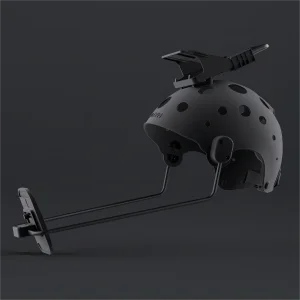
-
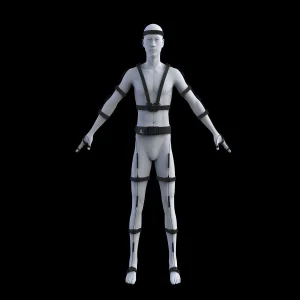
VDSuit Full Inertial Capture
Design Virdyn VDSuit Full for Full Body Function Inertia Motion Capture Suit Planning, Solution -
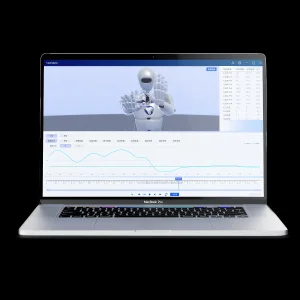
-
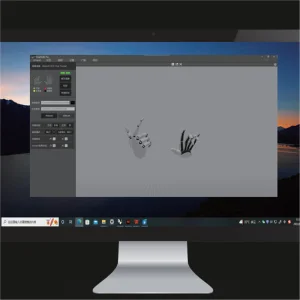
mHand Studio Precision Engine
Best Virdyn mHand Studio Motion Capture Gloves Software System for mHand Pro Planning, Solution -
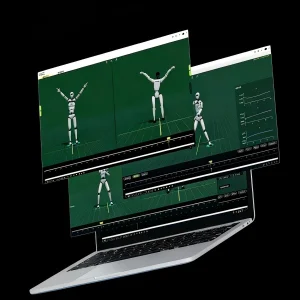
VDRobot Studio Robotics Hub
Design VDRobot Studio: Motion Data Collection&Conversion Platform for Robotics | Virdyn Planning, Solution -
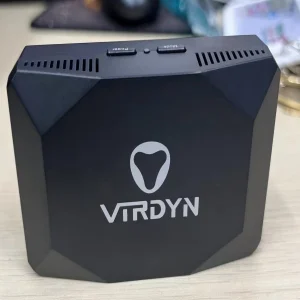
Mocap Hardware Hub Accessories
Design Full Body Motion Capture Accessories for Suit Hub Planning, Solution