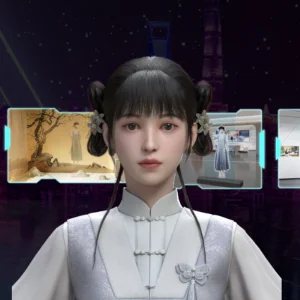
High-Precision Hardware & Modular Capture Suites
Explore industrial-grade motion tracking hardware designed specifically for high-mobility VRChat interactions, VTuber streaming studios, and humanoid data conversion.

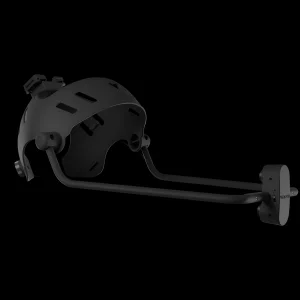
Design AH Double Camera-Based Face Capture Helmet With HD 1080p Embedded RGB Camera Planning, Solution
Explore System
Design Virtual Actors: How the Film Industry Should Layout the Virtual Market Planning, Solution
Explore System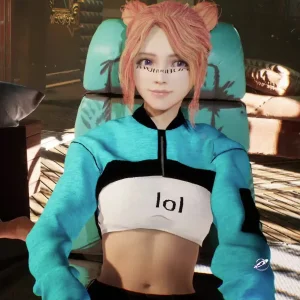
Best Virtual Human Live Streaming Rapidly Gaining Popularity: Motion Capture Suit Becomes a Key Tool Planning, Solution
Explore System
Best Motion Capture Technology Opens a New Era of Animation Development Planning, Solution
Explore System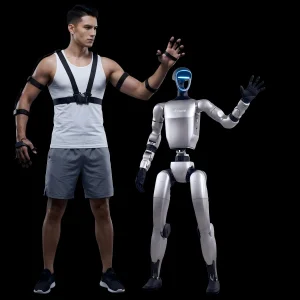
Best VDSuitMini Half-Body Mocap System | Robot Data Collection & Teleoperation | Free Software Planning, Solution
Explore System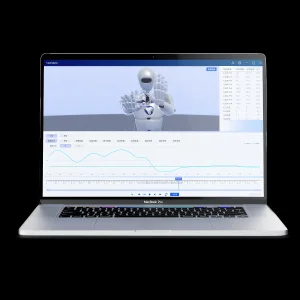
Best Valyze | Visualized Intelligent Motion Data Analysis Software for ce, Sports, Rehabilitation & Education Planning, Solution
Explore System
The State of Full-Body Tracking (FBT) in VRChat & Spatial Metaverses
Analyzing the evolution from optical lighthouse tracking to advanced self-contained inertial sensor networks for immersive digital identities and business execution.
The Occlusion Bottleneck in VR
Traditional optical base stations depend on uninterrupted line-of-sight. When avatars sit, lie down, dance, or perform intricate floor interactions in VRChat, tracking occlusion causes severe inverse kinematic collapse. Inertial mocap suits bypass optical line-of-sight entirely through multi-node IMU data networks.
- 360-degree freedom without camera dead zones
- Uncompromised floor-work and acrobatic poses
OSC Protocol Standardization
VRChat’s native Open Sound Control (OSC) implementation revolutionized avatar control. Raw high-frequency skeletal data from wearable suits passes through local fusion servers and is directly injected as rotational and position floats at sub-20 millisecond round-trips without game engine overhead.
- Native UDP transmission via VRChat OSC
- Zero third-party driver conflicts or SteamVR lockups
Commercialization & Virtual Economy
Beyond entertainment, VRChat has expanded into a commercial event space for virtual live concerts, VTuber agency meetups, and industrial exhibitions. Global brands deploy full-body mocap hardware to empower live staff, brand ambassadors, and virtual presenters with organic, lifelike gestural communication.
- Enterprise-grade real-time brand activation
- Simultaneous multi-performer network synchronization
Technical Insight: High-density inertial suits such as the VDSuit Full utilize autonomous 9-axis fusion units (gyroscope, accelerometer, and magnetometer) with real-time Kalman filtering, eliminating magnetic anomalies caused by metallic stage structures and computer electronics.
Precision Engineering & Factory Efficiency in Inertial Mocap
How concentrated component ecosystems, vertical manufacturing integration, and proprietary calibration algorithms enable enterprise-tier performance at optimized unit economics.
Turnkey SMT & In-House IMU Calibration
By centering production within the world's most dense electronics cluster in the Greater Bay Area, our production cycle features automated surface-mount assembly, 3D laser-sintered structural hubs, and automated robotic turntable testing rigs for 9-axis IMU zero-point drift correction.
Ergonomic Breathable Textiles
Motion capture in intensive VR sessions demands extreme durability and thermal management. Our factory develops proprietary antibacterial, high-tensile lycra-composite fabrics designed for 8-hour continuous wear without sensor misalignment or skin irritation.
Rapid OEM/ODM Customization
Whether institutional clients require integrated tactile feedback, dedicated multi-node finger solutions with the mHand Pro, or specific custom firmware protocols for military simulations and humanoid teleoperation, our dedicated hardware team delivers bespoke prototypes in weeks.
Engineering Trade-Offs: VRChat Full-Body Solutions
Evaluating motion-tracking approaches across installation speed, operational friction, drift resistance, and commercial scalability.
| Tracking Technology | Hardware Rig & Peripherals | Occlusion Resistance | Space Requirements | VRChat Integration Path | Ideal Procurement Use Case |
|---|---|---|---|---|---|
| Inertial Full-Body Suit (VDSuit Full) | 17–27 Wearable 9-Axis Nodes + Hub | 100% Occlusion Immune | Zero volume requirements (Any space) | Native VDMocap Studio to VRChat OSC | Professional VTubers, Dancers, Remote Stages |
| Optical Base Station Trackers | 3–8 SteamVR Lighthouse Pucks | High vulnerability to occlusion | Requires clear 3x3m to 5x5m perimeter | SteamVR Trackers Emulation | Casual VR Gamers, Stationary Socializing |
| Markerless Dual RGB/Depth | Multi-Camera Stereo Rigs | High failure on self-occluding limb overlaps | Requires bright studio lighting & rig | AI Pose Estimation Server to OSC | Fast evaluation setups, fitness, quick previews |
| Hybrid Optical-Inertial | IMU Suit + Optical Root Compensator | High drift resilience, absolute positioning | Dedicated capture volume required | SDK to MotionBuilder/Unreal/VRChat | Broadcast live productions, film previs |
Enterprise Sourcing Blueprint: From Laboratory to Stage
A rigorous checklist for institutional buyers, research departments, and production studios standardizing their XR mocap inventory.
01. Protocol Interoperability & SDK
Procurement teams must ensure hardware transmits pure bone quaternion and translation data with low CPU overhead. The capture platform must natively support VRChat OSC, Unreal Engine LiveLink, Unity, Blender, and ROS (Robot Operating System) nodes.
02. RF Reliability & Interference Control
VRChat events often happen in environments dense with 2.4GHz Wi-Fi, Bluetooth peripherals, and electronic hardware. Industrial suits must utilize dynamic 2.4G proprietary hopping or dedicated 5.8GHz channels to guarantee zero dropped frames during live broadcasting.
03. Full-Spectrum Cross-Industry Utility
A smart enterprise investment amortizes equipment costs across multiple operational verticals. The exact same suit deployed for high-fidelity VRChat avatar control on Friday must seamlessly power humanoid teleoperation and embodied AI demonstration dataset collection on Monday.
Frequently Asked Questions on Mocap Suit VRChat Solutions
In-depth technical answers regarding latency calibration, SteamVR compatibility, magnetic calibration, and industrial data pipelines.
How does an inertial mocap suit interface directly with VRChat without SteamVR trackers?
How does the system prevent positional and yaw drift during long live performances?
Can the mHand Pro mocap gloves and facial capture helmets work in tandem inside VRChat?
What is the latency difference between optical mocap and inertial mocap in streaming environments?
Can recorded VRChat performance data be repurposed for game engines and robotics?
Embodied Robotics, Teleoperation & Next-Gen Capture Platforms
Complete your deployment stack with specialized kits designed for academic research, humanoid live performances, and full-performance virtual marketing.
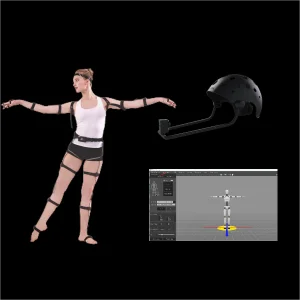
Design VDCap Full Performance Capture Entry-Level Motion Capture Kits for Beginners and Hobbyist Planning, Solution
Explore System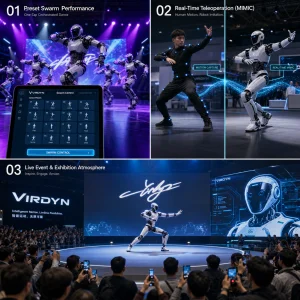
Best Virdyn Humanoid Robot Live Event Performance Solution for Robot ce&Teleoperation Planning, Solution
Explore System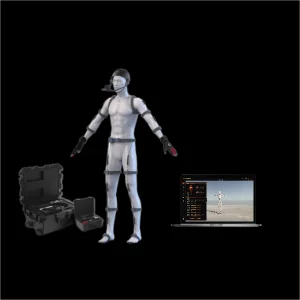
Design DreamsCap X1 Full-Body, Hand & Face Motion Capture for Humanoid Robot Data Collection & Teleoperation Planning, Solution
Explore System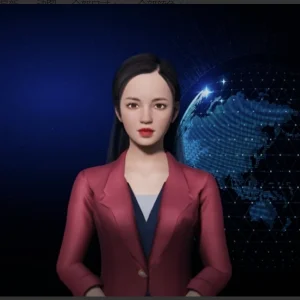
Design Virtual Host Technology: Help Mainstream Media Layout Virtual Reality Industry Planning, Solution
Explore System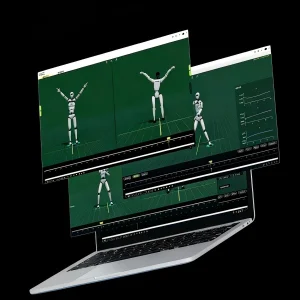
Design VDRobot Studio: Motion Data Collection&Conversion Platform for Robotics | Virdyn Planning, Solution
Explore System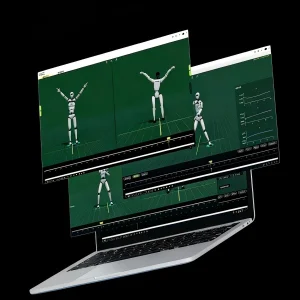
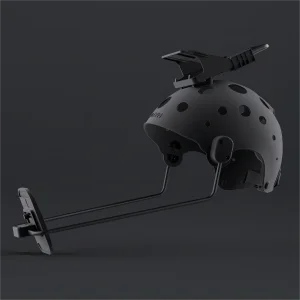
Best Virdyn VDFace Pro Capture System for Real Time Facial Capture with Face Capture Helmet Planning, Solution
Explore System