
How to Calculate Motion Capture System Cost

Time:2026-10-14 Author:Liam
0%

How to Calculate Motion Capture System Cost requires more than comparing camera prices. A production-ready estimate must connect equipment, workflow, staffing, space, and future upgrades. The total Cost Of Motion Capture System can change sharply between a small optical stage and a multi-actor virtual production facility.

Industry reports show why market figures need careful interpretation. Grand View Research and MarketsandMarkets both identify entertainment, gaming, sports, healthcare, and research as major motion capture applications. However, their market boundaries differ. Some estimates include software services and professional support, while others focus mainly on hardware. Treating one headline number as a complete budget can mislead decision-makers. It is an easy mistake.

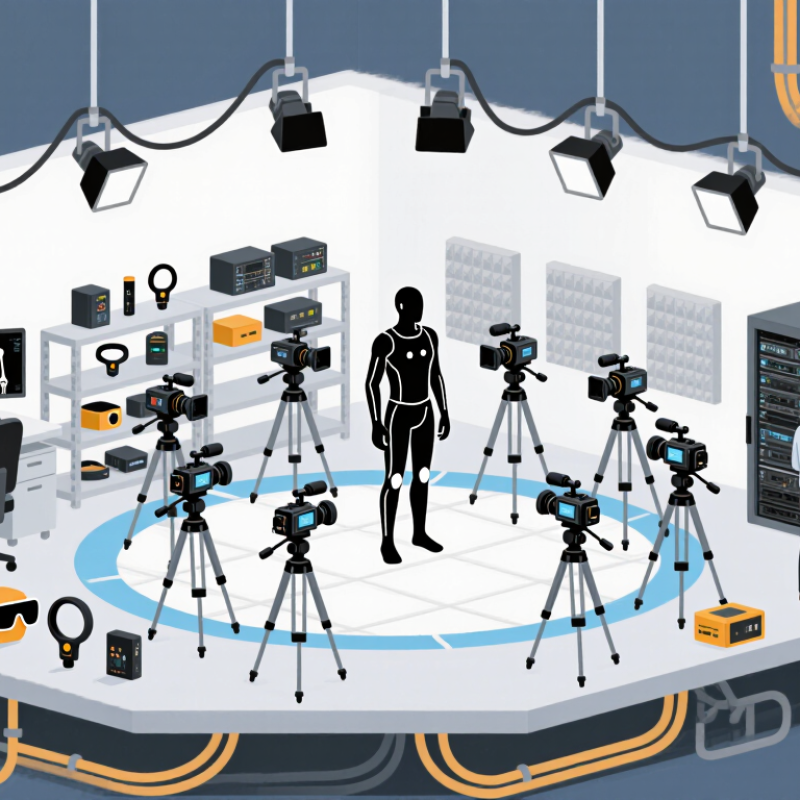
A practical calculation should separate one-time and recurring expenses. Cameras, inertial sensors, body suits, facial tracking tools, calibration equipment, and computing workstations form the initial investment. Software licenses, cloud storage, technical support, insurance, maintenance, and operator training affect annual ownership cost. A studio may also need controlled lighting, adequate floor space, acoustic treatment, and secure data storage. These details become visible when a performer needs repeated calibration between takes.

Professional guidance from the Academy of Motion Picture Arts and Sciences and virtual production research from Deloitte highlights the importance of workflow reliability, not only capture accuracy. A cheaper system may create higher costs through retakes, cleanup, or limited interoperability. The calculation should therefore include expected capture days, performer volume, data-processing time, and upgrade frequency. Estimates remain imperfect. Yet, documenting assumptions makes them testable, comparable, and easier to revise.
How to Calculate Motion Capture System Cost

Define the Scope and Requirements of the Motion Capture Project

Before calculating motion capture system cost, define what the project must measure. A studio recording one actor needs different equipment from a laboratory studying ten athletes. Write the scene, performer count, capture volume, movement speed, and recording duration. Include body, face, hands, or object tracking. Each requirement changes the system design. Use actual room dimensions, not estimates. A three-meter ceiling can limit camera placement.

Separate essential requirements from convenient features. Fast movements may require a higher frame rate and stronger lighting. Outdoor work may need weather protection, portable power, and repeated calibration checks. Set measurable accuracy targets, such as five millimeters for a controlled test. Also define output formats, software compatibility, operator skill, and data storage. These details reveal hidden costs, including setup labor, training, maintenance, and post-processing. Teams often underestimate calibration time. A short test capture can expose weak assumptions before purchase. One assumption may still be wrong.

Tips: Create a requirements sheet with three columns: must have, useful, and optional. Record lighting, floor type, ceiling height, and power access during a site visit. Ask the operator to estimate setup and cleanup time. Leave a contingency for revisions because early plans are rarely perfect. That is not failure. It is useful evidence.

Identify the Main Components of a Motion Capture System

How to Calculate Motion Capture System Cost

A motion capture system usually begins with cameras or tracking sensors. Their number depends on the capture volume, subject movement, and required accuracy. A small studio may need fewer units, while large spaces require wider coverage and overlapping views. Camera resolution, frame rate, lens quality, and low-light performance also affect the price.

The performer may need reflective markers, inertial sensors, a fitted suit, or facial tracking equipment. These components influence setup time and data quality. Do not overlook calibration tools. A poorly calibrated system can create drifting joints, missing markers, or unnatural hand positions. That mistake can cost more than the calibration equipment itself. Physical space matters too. Flooring, lighting control, mounting structures, and safety clearance may become hidden expenses.

Software is another major component. It records movement, reconstructs body positions, cleans noisy data, and exports files for animation or analysis. You may also need powerful computers, reliable storage, backup drives, and network equipment. In practice, processing requirements are easy to underestimate. Large sessions can fill storage quickly. Installation, operator training, maintenance, and technical support should appear in the budget. I have found that a lower equipment price can become expensive when setup takes longer than expected. Cost planning works better when each component is priced separately, including replacement markers, cables, batteries, and future upgrades.

Estimate Hardware, Software, and Installation Expenses

Calculating motion capture system cost starts with three expense groups: hardware, software, and installation. Hardware may include cameras, optical markers, inertial sensors, calibration tools, computing equipment, and a secure storage system. A small studio can spend tens of thousands of dollars, while a multi-camera volume can exceed six figures. Prices change sharply with capture range, accuracy, and required frame rate. The Grand View Research 2024 market report identifies real-time capture and animation as major growth areas, but it does not provide a reliable project quote.

Software costs include recording, calibration, retargeting, cleanup, and export tools. Subscription plans reduce upfront spending, yet create recurring costs. Add training time and technical support. The U.S. Bureau of Labor Statistics’ May 2023 wage data lists software developers at about 64 dollars per hour, using median annual pay. That figure helps estimate integration work, not licensing. Installation also needs cabling, lighting control, floor preparation, and calibration. BLS data places electricians near 30 dollars per hour, before contractor margins and travel. A first estimate is rarely right. Space preparation is often underestimated.

Tips: Request separate hardware, software, and installation quotes. Measure the room before choosing cameras. Keep 10–20% for calibration problems, replacement parts, and delayed setup. Test one short performance scene before full deployment. Record labor hours carefully. The numbers may still feel imperfect, but they reveal where the budget is leaking.

Calculate Labor, Maintenance, and Operating Costs

How to Calculate Motion Capture System Cost

Labor often becomes the largest hidden expense in motion capture projects. Calculate every work stage, not only recording time. Include setup, calibration, performer preparation, capture supervision, data cleaning, and equipment removal. A practical formula is labor cost equals total hours multiplied by the loaded hourly rate. This rate should include wages, benefits, training, and administrative overhead. For example, six hours at 45 dollars per hour creates 270 dollars in direct labor. Retakes can change that estimate quickly.

Maintenance costs require a longer view. Track calibration checks, sensor inspections, battery replacement, repairs, and technician support. Record the age and condition of each component. A damaged cable may delay a session more than its replacement price suggests. Divide expected annual maintenance by planned capture days to estimate a daily maintenance cost. Small errors here accumulate. I once underestimated inspection time because the equipment appeared reliable.

Operating costs include electricity, data storage, software access, insurance, facility space, and network services. Measure actual power use during capture, processing, and standby periods. Storage expenses should cover raw files, cleaned data, backups, and secure archives. Calculate the session cost with this formula: labor plus maintenance allocation plus operating expenses. Then divide by usable capture hours or completed scenes. Keep a contingency allowance for overtime, failed takes, and unexpected data repairs. Estimates remain imperfect, especially during complex performances. Review them after each project and adjust the next budget.

Compare Total Costs and Select a Suitable System Package

How to Calculate Motion Capture System Cost

A motion capture system cost includes more than cameras and tracking software. Start with the complete package, including sensors, calibration tools, suits, computing hardware, storage, installation, and training. A basic quote may exclude annual software licenses or replacement markers. Record every item in one cost sheet. Small omissions can distort the real budget.

Compare packages by total cost over three years, not by purchase price alone. Include maintenance, technical support, software updates, room preparation, and operator time. Count the hidden hours. A larger system may require more calibration, while a compact setup may limit capture volume or subject movement. Test each package in the intended space, with actual lighting, floor materials, and production staff.

Selection should match measurable needs. For character animation, prioritize tracking accuracy, export formats, and repeatable calibration. For sports analysis, examine sampling rate, latency, and outdoor durability. Ask suppliers to provide a live demonstration and a detailed service agreement. In practice, estimated storage needs are often too low, especially when recording multiple subjects. My own preferred approach would include a 15% contingency, although that allowance may still fail during complex projects. Recheck the budget after a short pilot, when setup time and workflow problems become visible.

How to Calculate Motion Capture System Cost

Three-year total cost comparison for typical motion capture system packages

The comparison includes estimated initial equipment, software, installation and training, annual maintenance, and facility or infrastructure costs. A three-year total cost of ownership helps buyers compare complete system packages rather than focusing only on the initial purchase price.

FAQS

What are the main components of a motion capture system?

Cameras or tracking sensors form the core system. Performers may use markers, inertial sensors, fitted suits, or facial equipment. Calibration tools are essential. Software records, cleans, reconstructs, and exports movement data. Computers, storage, cables, batteries, and network equipment also matter.

How many cameras does a motion capture setup need?

The number depends on room size, subject movement, and accuracy requirements. Small studios may need fewer cameras. Large spaces require wider coverage and overlapping views. Measure the room before selecting equipment. More cameras do not automatically solve every problem.

What affects camera and sensor costs?

Resolution, frame rate, lens quality, and low-light performance affect camera pricing. Capture range and tracking accuracy also change the budget. Higher frame rates may suit fast movements. Better coverage can reduce missing data. The cheapest option may create costly cleanup work.

Why is calibration important?

Poor calibration can cause drifting joints, missing markers, and unnatural hand positions. A short calibration check can prevent major data repairs. Include calibration tools and technician time in the budget. Small errors accumulate. Calibration is easy to underestimate.

What software expenses should be included?

Budget for recording, calibration, retargeting, cleanup, and export functions. Subscription plans reduce upfront spending but create recurring charges. Training and technical support may add further costs. Large sessions can fill storage quickly. Plan for raw files, cleaned data, backups, and archives.

How much can a motion capture system cost?

A small studio may spend tens of thousands of dollars. A large multi-camera volume can exceed six figures. The final amount depends on equipment, accuracy, space, and installation. A general market figure cannot replace a project quote. The estimate may still be wrong.

How should labor costs be calculated?

Count setup, calibration, performer preparation, supervision, cleanup, and equipment removal. Use this formula: total labor hours multiplied by the loaded hourly rate. The loaded rate includes wages, benefits, training, and administration. For example, six hours at 45 dollars per hour equals 270 dollars. Retakes hurt.

Which installation and operating costs are commonly missed?

Include cabling, lighting control, floor preparation, mounting structures, and safety clearance. Operating costs may include electricity, storage, software access, insurance, and network services. Maintenance includes inspections, battery replacement, repairs, and technical support. Keep 10–20% for replacement parts and delayed setup. Space preparation often costs more than expected.

How can the final cost per project be estimated?

Add labor, maintenance allocation, and operating expenses. Then divide the total by usable capture hours or completed scenes. Include overtime, failed takes, and unexpected data repairs. Test one short scene before full deployment. Review each project afterward. The numbers improve slowly.

Conclusion

Calculating the Cost Of Motion Capture System requires a clear understanding of the project’s goals, capture environment, subject movement, accuracy requirements, and expected production scale. Begin by defining whether the system will support animation, research, training, live performance, or another application. Then identify the necessary components, such as cameras or sensors, tracking equipment, recording devices, computing hardware, lighting, accessories, software, and data storage. Each element should be evaluated according to performance, compatibility, scalability, and ease of use.

A complete budget should also include installation, calibration, staff training, system integration, and any facility modifications. Labor costs may cover operators, technical support, data processing, and project management, while maintenance and operating expenses include repairs, software updates, replacement parts, electricity, and storage. Finally, compare the initial investment and long-term ownership costs of several suitable system packages. Selecting the best option means balancing technical requirements, reliability, future expansion, and total value rather than focusing only on the purchase price.

Liam

Liam

Liam is a dedicated marketing professional with a profound expertise in the industry, where he excels at highlighting the unique advantages of our core products. With a keen understanding of market trends and consumer needs, Liam frequently updates our company’s professional blog, providing......